
What careers have scope in the world of AI? Which domains do humans still have dominion?
Parents and even the young often wonder.

While artificial intelligence (AI) has made remarkable advancements in recent years, there are still certain tasks and domains where AI may struggle or face limitations.
Here are a few examples:
Complex Creativity: AI has shown progress in generating creative outputs such as music, art, or writing. However, truly original and complex creativity that involves deep emotional understanding, abstract thinking, and intuition is currently beyond the capabilities of AI. God gives natural intelligence, and even more important is wisdom that comes from God to those who seek. Wisdom and Creativity are gifts that are available to humans because only humans are created in the image of God. Machines can only try to duplicate parts of this complex gift.
Emotional Understanding: While AI can analyze and generate responses based on emotional cues, it lacks true emotional understanding. Recognizing and empathizing with human emotions, particularly in complex social contexts, is a challenge for AI systems.

Common Sense Reasoning: AI systems excel in narrow and well-defined tasks, but they often lack common sense reasoning and general knowledge. Understanding and applying common sense in diverse situations, especially when faced with new or unusual scenarios, is a significant challenge for AI.

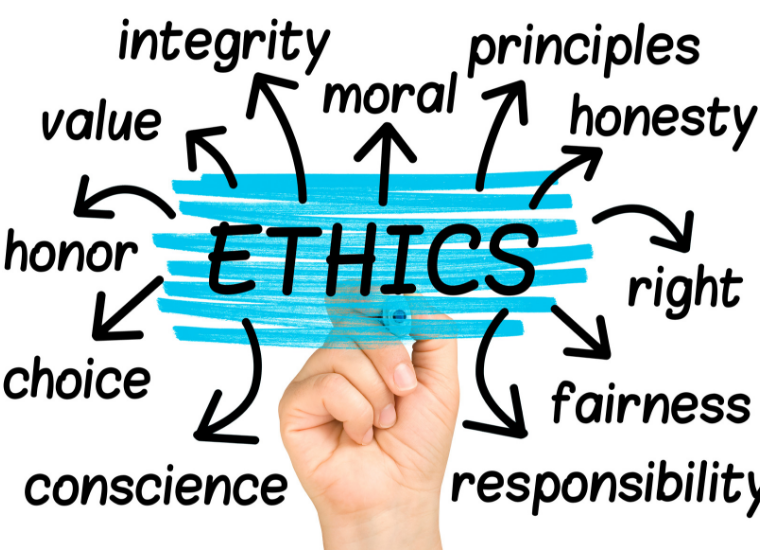
Morality and Ethics: Moral decision-making, ethical reasoning, and understanding nuanced ethical dilemmas are complex tasks that require human values, context, and cultural understanding. AI systems struggle to make value-based judgments or handle ethical considerations with the same level of depth as humans.
Physical Dexterity and Perception: While AI has made significant progress in visual recognition and speech processing, tasks that involve physical dexterity, fine motor skills, or real-time sensorimotor perception, such as complex physical manipulation or sports, are areas where AI still faces challenges.

Contextual Understanding: AI systems often struggle with contextual understanding, sarcasm, irony, or implicit meaning in language. They may misinterpret statements or fail to grasp the underlying context, leading to errors or inappropriate responses.
It’s important to note that AI technology continues to advance rapidly, and there may be breakthroughs in these areas in the future. However, the complexities and nuances of human cognition, emotions, and social interactions present ongoing challenges for AI systems to replicate human-level performance.
Hence, here are a few Career options that you can consider to leverage your unique skills and abilities. Here are some career paths that are likely to be in demand:
- AI and Machine Learning Specialists: Professionals who specialize in developing, implementing, and maintaining AI systems and machine learning algorithms will continue to be in high demand. They will play a crucial role in designing, training, and optimizing AI technologies.
- Data Scientists: Data scientists have the expertise to analyze and extract meaningful insights from large datasets. They will be essential in making sense of the vast amount of data generated by AI systems and using it to drive decision-making and innovation.
- Ethical AI Specialists: As AI systems become more prevalent, the need for professionals who can address ethical considerations and ensure responsible AI development and deployment will increase. Ethical AI specialists will help shape the responsible use of AI and address potential biases, privacy concerns, and social impact.
- Human-Machine Interaction Specialists: With the rise of AI, there will be a growing need for professionals who can design seamless and intuitive interfaces between humans and AI systems. They will focus on creating user-friendly experiences and ensuring effective collaboration between humans and AI technologies.
- Creative Professionals: Jobs in creative fields that involve complex problem-solving, imagination, and artistic expression are expected to remain important. These include professions like artists, writers, designers, musicians, and filmmakers, where human creativity, emotion, and intuition play a central role.
- Healthcare Providers: AI will transform healthcare, but human healthcare providers will continue to be critical. Roles such as doctors, nurses, therapists, and caregivers require empathy, human connection, and the ability to make complex medical decisions that go beyond what AI can currently accomplish.
- Teachers and Educators: Education is a domain where human interaction, empathy, and personalized guidance are highly valuable. Teachers and educators will continue to play a vital role in providing knowledge, mentorship, and social-emotional development that AI cannot fully replicate.
- Business and Strategy Professionals: AI technologies offer new opportunities and challenges for businesses. Professionals who can understand AI capabilities, identify strategic applications, and navigate the impact of AI on industries will be in demand.
- Skilled Tradespeople: Occupations that require manual dexterity, craftsmanship, and specialized skills such as plumbers, electricians, carpenters, and mechanics are less susceptible to automation and remain vital in various industries.
- Sustainable and Environmental Experts: Professionals who specialize in sustainable practices, renewable energy, climate change, and environmental conservation will be crucial as societies strive for a more sustainable future, leveraging AI technologies for ecological advancements.
These are just a few examples, and the future of work is dynamic and ever-evolving. It’s important for individuals to adapt, embrace lifelong learning, and develop a combination of technical and soft skills that complement the capabilities of AI, allowing them to thrive in an AI-driven world.
Have a great life ahead.





 Love, power and a sound mind
Leave a comment