A Call to Action: Reimagining India’s Roads for a Safer Tomorrow
I have driven on India’s roads, and also have driven in the UK, USA, Germany and other developed countries. Here is a link to my Facebook page where I share my experience driving recently in the UK.
As a Medical Doctor, I have a personal interest in road safety, since it helps improve your health in so many ways. Even the stress of driving on Indian roads causes hypertension, heart attacks and other diseases.
Indian roads, which should be bustling arteries of progress, have become tragic battlefields. The toll of road accidents is staggering, claiming countless lives each year. There is a huge increase in the number of accidents in Mumbai and Maharashtra.

This crisis is not merely a statistical anomaly; it is a systemic failure that demands urgent attention.
The root of this problem lies in a deeply flawed approach to road design and driver education. While developed nations have long embraced safety-centric principles, India’s roads continue to be plagued by archaic practices that endanger lives. The absence of basic traffic management tools like roundabouts and STOP signs, coupled with inadequate driver training, creates a perfect storm for accidents.
Roundabouts, a proven safety measure, are conspicuously absent from many Indian roads.

Their circular design encourages a steady flow of traffic, reducing the likelihood of head-on collisions and promoting safer intersections. Unfortunately, due to lack of education on the rules of the roundabout, even when a roundabout is built, soon after that we see signals and speed bumps coming up all around it!
Similarly, STOP signs, a fundamental traffic control device, are often misused or ignored, leading to confusion and accidents.
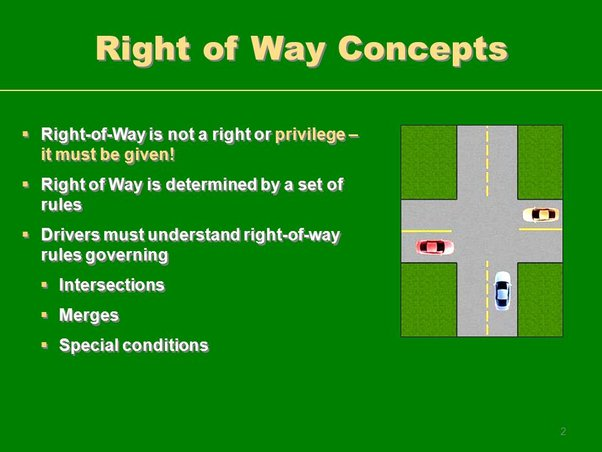
These very basic traffic management tools like roundabouts and STOP signs are considered “yield control devices” which essentially regulate traffic flow at intersections by requiring drivers to either fully stop (at a stop sign) or yield to traffic already in the roundabout, significantly reducing potential collision points compared to traditional traffic signals.
The lack of proper driver education is equally alarming. Many Indian drivers receive minimal or no training before taking to the roads. This lack of knowledge and skills contributes to reckless driving, speeding, and other dangerous behaviors.
It is imperative that the government prioritize driver education programs that emphasize safety, road rules, and defensive driving techniques.
To address this crisis, the Road Safety Department of the Government of India must take decisive action. Here are some key recommendations:
- Invest in Road Infrastructure: Prioritize the construction of modern, well-designed roads that incorporate safety features like roundabouts, pedestrian crossings, and adequate signage.
- Enhance Driver Education: Mandate comprehensive driver education programs for all new license applicants, and provide regular refresher courses for existing drivers.
- Implement Stricter Traffic Laws: Enforce traffic laws rigorously, including penalties for speeding, drunk driving, and other violations.
- Improve Road Safety Awareness: Launch public awareness campaigns to educate citizens about road safety rules and the importance of responsible driving.
- Learn from International Best Practices: Study the road safety policies and practices of developed nations and adopt proven strategies that are applicable to India’s unique context.
The time for inaction is over. The lives of countless Indians are at stake. By implementing these measures, the Government of India can create a safer road environment for all and build a nation where progress is not at the expense of human life. I request readers to contribute to this in whatever ways you can.
I would love to connect with Road Design Engineers who are responsible for road safety and design in India.
I would also love to see all of you write to the Prime Minister, the other Ministers, and also share articles like this with those in authority so that our dream of India becoming truly developed is achieved.




 Love, power and a sound mind
Leave a comment