Recently headlines all over the world were about tariffs. The US President Mr Donald Trump had declared that there would be tariffs on import into America. I agree that these are necessary measures to bring in a sense of responsibility to our manufacturers, to ensure they protect the environment while producing.
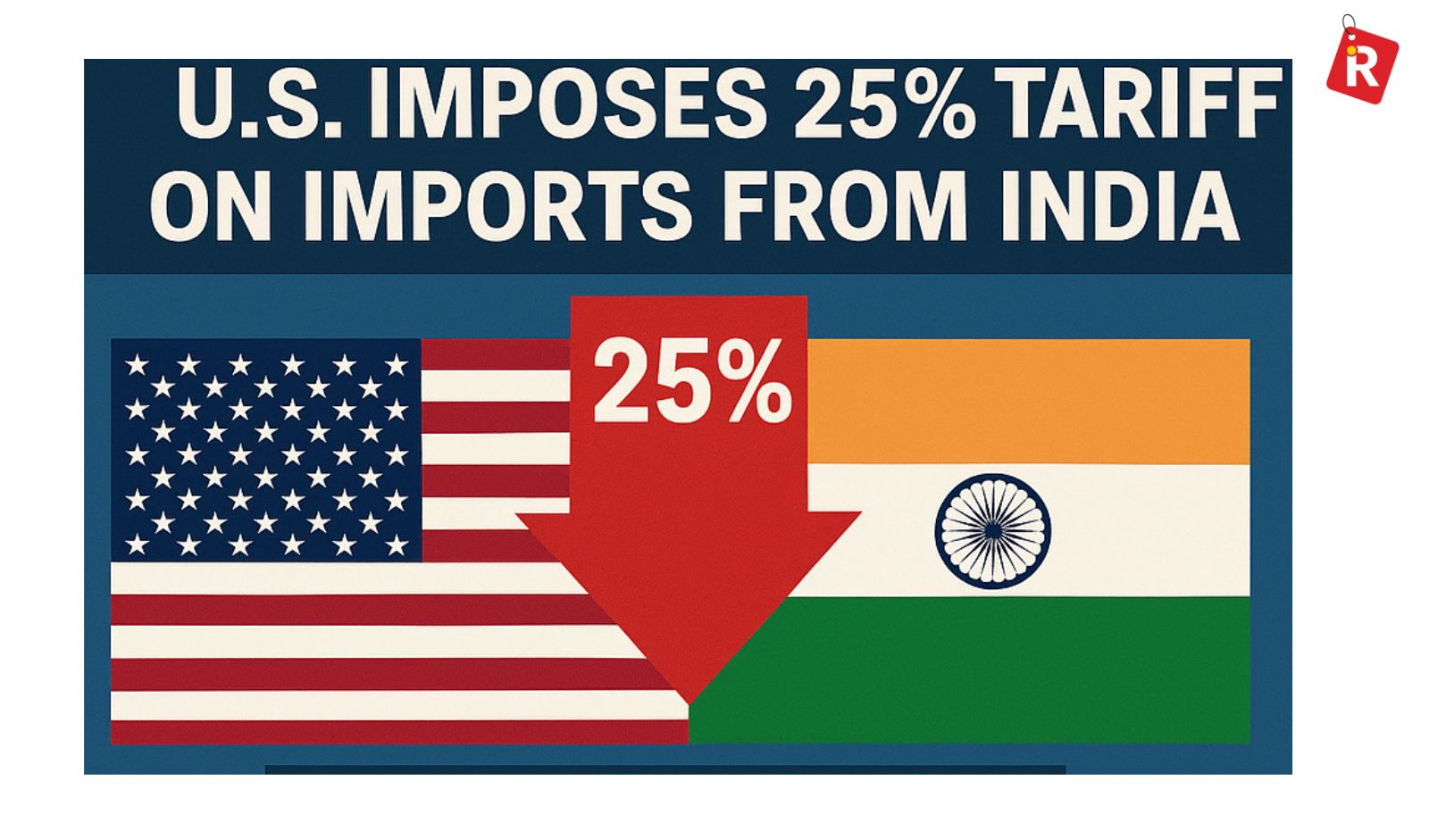
At the same time, I read a news article that appeared to be unrelated, but actually is closely tied to this pressing global issue.
The reason tariffs are placed by countries on imports from other countries are primarily to protect local industry.
Why do they need protection? It is because some countries or regions might consider implementing “eco-tariffs” on goods imported from countries with lax environmental standards. The aim is to level the playing field by internalizing the environmental costs that foreign manufacturers may not be bearing fully. This would increase the cost of goods produced with less environmentally sound practices..
Reducing tariffs on environmental goods and potentially implementing well-designed environmental tariffs could be ways to align trade policies with environmental goals.
What is happening in nations where the cost of production is cheaper?
A local resident who used to play cricket on the ground in 2022 said a constant stream of trucks started trundling in and out of the ground beginning April 2023.

For imaginative purposes only
“Those trucks would rumble in, one after the other, dumping that stuff onto the old cricket ground. The smell was unbearable. It would make your eyes water, throat burn. We were trapped in our own homes, prisoners of that putrid air,” he said, requesting anonymity.
Another neighbour said that it felt like the village was slowly dying. “The water started tasting strange, metallic, and we were afraid to drink it. Our fields, which used to give us life, wouldn’t yield anything. And people, especially the children, were constantly sick – fevers, rashes, breathing problems,” said Meena Devi, a 45-year-old farmer from Pali.
Residents in Gwal Pahari and Mangar villages, adjacent to the landfill site, report declining crop yields, contaminated groundwater, and increasing health problems. “We have started seeing skin allergies and stomach infections in children more frequently. The groundwater smells different now. This landfill is slowly destroying our lives,” said Kamla Devi, a resident of Mangar village.
Rana said this is a common practice, where vendors approach landowners of low-lying plots, offering legacy waste as a filler material.
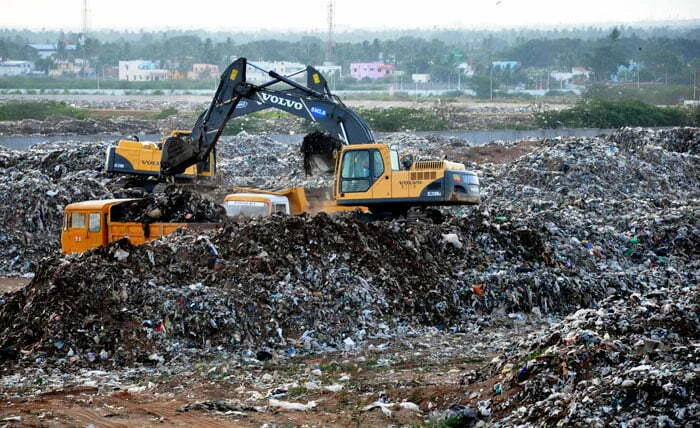
The offer is financially appealing—significantly cheaper than using soil or construction and demolition (C&D) debris. Once filled, these plots are regularised through municipal approvals, paving the way for large-scale construction. “It’s a perfectly engineered racket. The vendor saves money on waste processing, the landowner gets cheap land filling, and the officials look the other way,” said Rana.
“The lack of soil testing for heavy metals and the general disregard for these guidelines constitute serious violations. MCG bears direct responsibility for enforcing these CPCB protocols, as directed by NGT, which includes thorough videography of the process,” said Warsi, also a member of the CPCB guidelines formation committee.
The cheaper cost of production in many countries like India is directly attributable to lack of environmental stewardship and guidelines for disposing Industrial waste in a responsible and safe manner.
The money saved by these Industries by not adhering to waste disposal norms what makes their products cheaper, and hence they must be punished for this. Tariffs are one way in which other countries can fine these errant factories, but ultimately it is for the government of these nations themselves to take up this responsibility.
The Pollution Control Boards also bears responsibility for not enforcing standards related to pollution from these factories.




 Love, power and a sound mind
Leave a comment