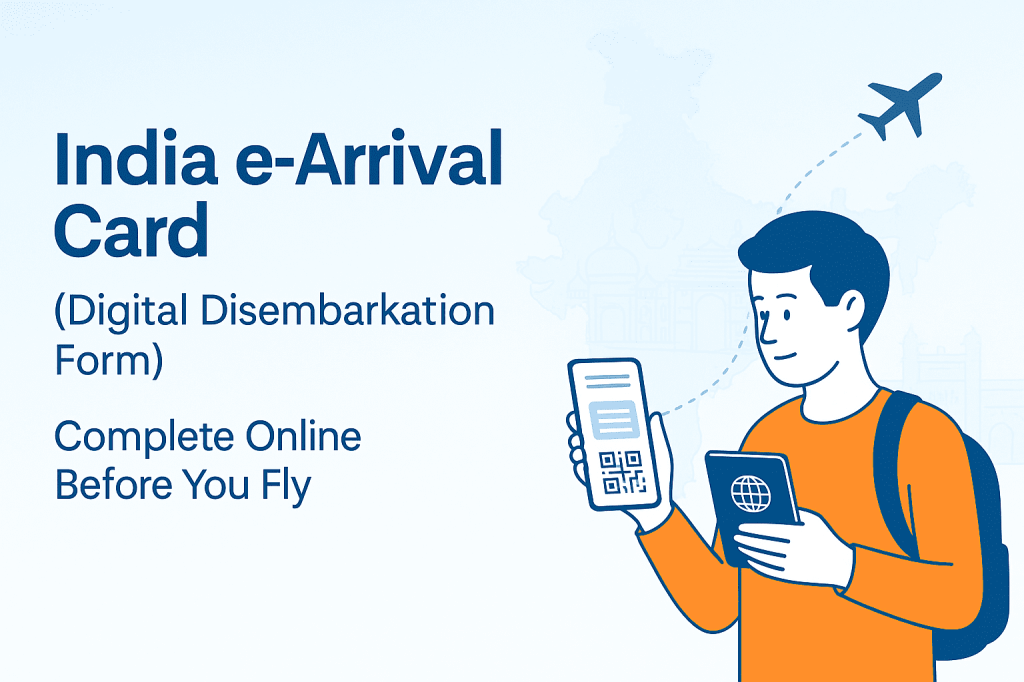
This new travel mandate reflects a broader trend in Indian governance—a shift toward “Digital India” where technology is used not just for convenience, but for better health and security monitoring.
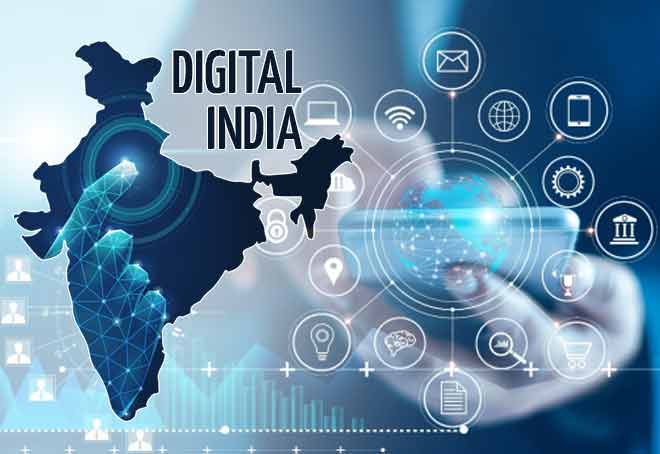
What is the e-Arrival Card?
Essentially, the e-Arrival Card is a digital version of the physical “Disembarkation Card” that flight attendants used to hand out mid-flight. For years, travelers scrambled for pens and passports while balancing a meal tray to fill out these small paper slips.
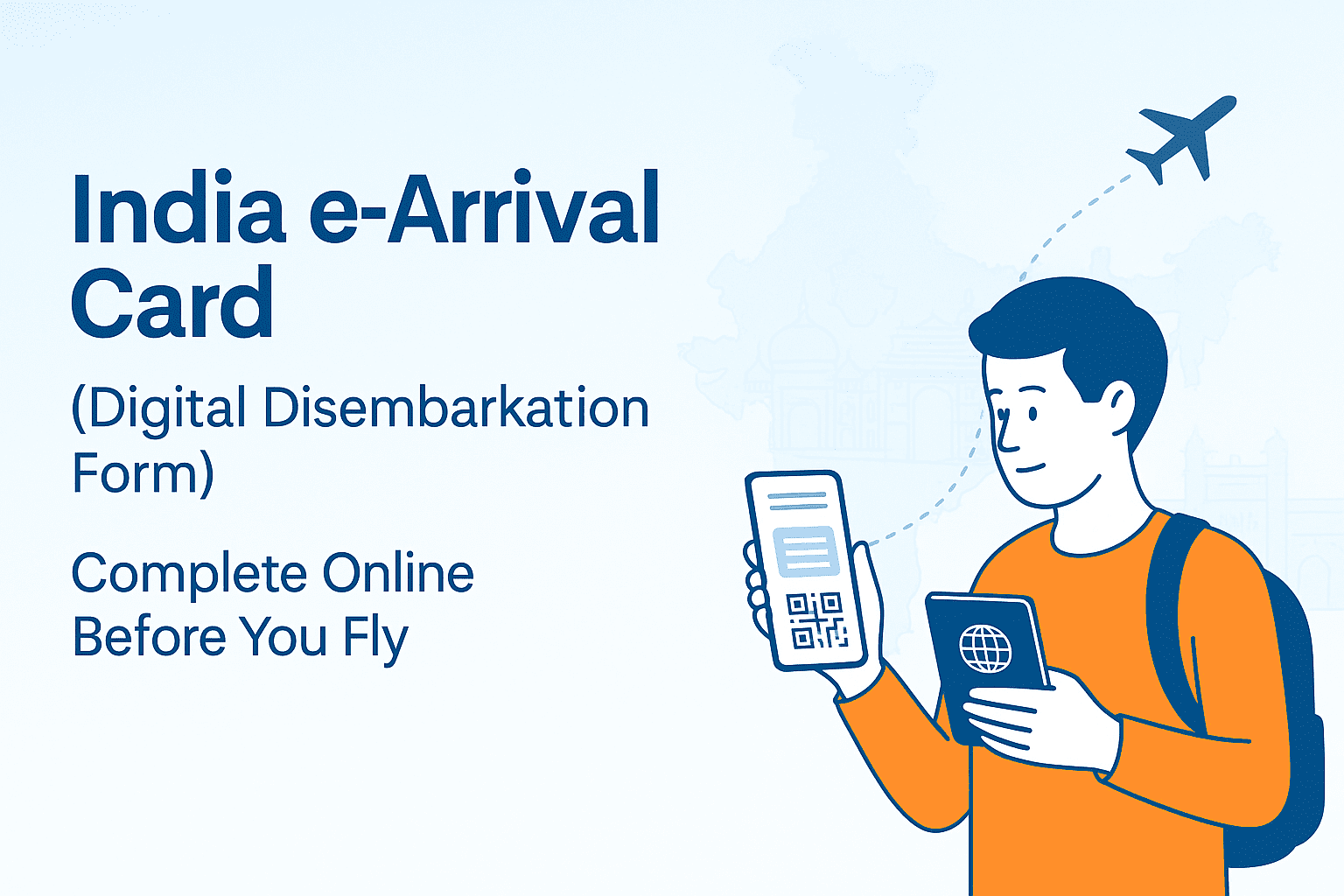
Starting October 1, 2025, the government began phasing these out, and as of April 1, 2026, the digital version is the permanent requirement. It is a mandatory declaration for all foreign nationals and, notably, Overseas Citizen of India (OCI) cardholders.
The Health and Security Connection
As a physician, I often look at these policies through the lens of public health. Digitalizing arrival data allows the Ministry of Health and the Bureau of Immigration to track potential health risks in real-time. By requiring travelers to list the countries they have visited in the last six days, the system can automatically flag arrivals from regions currently experiencing outbreaks of infectious diseases.
This proactive approach is a vital layer in maintaining our national health security, ensuring that we can act quickly to prevent the spread of global health threats within our borders.
Who Needs to Fill It?
While the rules have seen some updates during the transition, the current mandate is clear:
- Foreign Nationals: All tourists, business travelers, and students.
- OCI Cardholders: Initially exempt, OCI holders are now required to submit the e-Arrival Card.
- Indian Passport Holders: Currently, Indian citizens remain exempt from this specific requirement.
How to Navigate the Process
The process is designed to be completed within 72 hours of your scheduled arrival in India. You can access the form through two primary channels:
- The Official Portal: indianvisaonline.gov.in
- The “Su-Swagatam” App: Available on both iOS and Android, this app is becoming a one-stop shop for Indian immigration services.
What you will need:
- Passport and Visa details.
- Flight information (Arrival date and flight number).
- Your intended address in India (Hotel or residence).
- Emergency contact information.
- A list of countries visited in the last week.
The “Sound Mind” Approach to Travel
To maintain a “sound mind” during your travels, I always recommend eliminating last-minute stressors. Do not wait until you are at the boarding gate to fill this out. While there was a six-month transition period where physical cards were available for those who forgot, that window has now closed.
Once you submit the form online, you will receive a digital confirmation with a QR code. I suggest taking a screenshot or printing a copy, even though the data is technically linked to your passport in the immigration system. Having that physical or digital “proof” in hand provides peace of mind as you approach the immigration counter.
Conclusion: A Smoother Journey Ahead
The transition to an electronic arrival system is a welcome change. It reduces paper waste, minimizes physical contact at the airport, and—most importantly—speeds up the time you spend standing in line.
As we continue to reimagine India’s infrastructure, from our roads to our airports, these digital milestones are essential. They allow us to move through the world with more efficiency and less anxiety.
So, before your next trip to our beautiful country, make sure your digital paperwork is as ready as your suitcase. Safe travels, and may you always travel with love, power, and a sound mind.
For more updates on travel regulations, health insights, and living well in India, stay tuned to www.drspmathew.com.



 Love, power and a sound mind
Leave a comment