
In recent years, we have seen Artificial intelligence and machine learning becoming more common and being used across almost all spheres of life and business.
Some of the concerns that arose came from the fact that many of the datasets available for artificial intelligence to ponder on and learn from came from a few selected areas of the world, resulting in results which to some seemed to be biased or racist.
To counter this, many experts in the field have felt that the datasets need to be more inclusive.
This brings about an interesting question, in my view, which has profound implications for the future of humanity and AI in general.
What is more important, truth or inclusiveness?
Would you prefer that the AI tell you the truth, or not?
I am sure most of you or all of you would prefer the AI to tell you the truth.
Now, truth by definition is exclusive.
Why do I say that?
I say that truth is exclusive because, by definition, truth implies that a statement or proposition is accurate and correct.
This accuracy and correctness are mutually exclusive with any other statement or proposition that contradicts it.
In other words, if a statement is true, then any statement that contradicts it must be false, and vice versa. This exclusivity is inherent in the concept of truth, as it defines the boundaries of what is accurate and what is not.

There are many people who think like one of these people in the cartoon depicted below
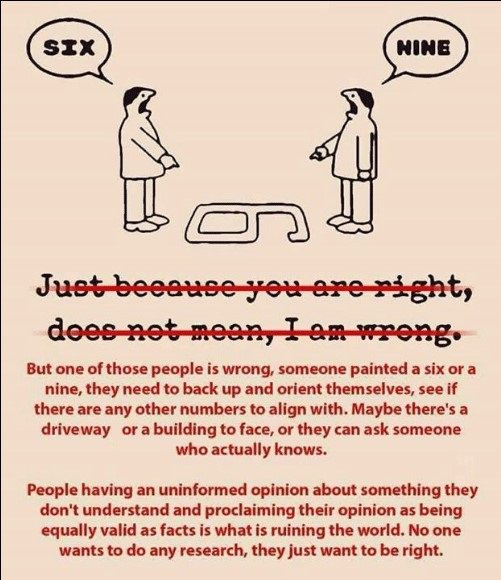
The exclusivity of truth has several important implications:
- If a statement is true, any contradictory statement must be false[1]. This is because truth, by definition, implies accuracy and correctness. If a proposition is true, then any other proposition that contradicts it cannot also be true.
- Pragmatic theories of truth focus on the practical function of the concept of truth, such as its role in making certain kinds of conversations and inquiries possible[1]. Truth sets objective expectations for making assertions and engaging in inquiry. Without the concept of truth, assertoric discourse would dwindle into mere “comparing notes”[1].
- Pragmatic theories often prioritize the speech-act and justification projects over the metaphysical project of defining truth[1]. They aim to trace the implications of using the concept of truth in practical contexts rather than provide a strict definition. This is because defining truth in terms of utility or similar concepts is open to counterexamples[1].
- The exclusivity of truth raises the question of whether pragmatic theories are sufficiently realist[1]. Some argue that by linking truth to verifiability or assertibility, pragmatic theories make truth too subjective and dependent on our contingent ability to figure things out[1]. This fails to account for truth’s objectivity and the possibility of truths that are not yet known.
In summary, the exclusivity of truth means that contradictory statements cannot both be true, and has implications for the function of truth in discourse, the projects pragmatic theories prioritize, and debates about realism. Pragmatists aim to preserve the importance of truth while avoiding metaphysical commitments.
I believe that truth is a fact, and Jesus claimed to be the Truth. Truth is not just a concept but a person. Absolute truth exists whether you like it or not. Of course, you and me have the free will to either accept or reject truth.
In the coming days, Artificial intelligence needs to be based on truth alone, or humanity is in danger of being destroyed.
Citations:
[1] https://plato.stanford.edu/entries/truth-pragmatic/
[2] https://christianscholars.com/philosophy-truth-and-the-wisdom-of-love/
[3] https://www.britannica.com/topic/truth-philosophy-and-logic
[4] https://www.ramdass.org/truth-in-relationships/
[5] https://morungexpress.com/the-choice-and-implications-of-living-under-truth-or-falsehood




 Love, power and a sound mind
Leave a comment