
Mumbai Basel Model: A Comprehensive Solution for Pigeon Management
Mumbai can successfully implement a Basel-style dovecote system to address its pigeon menace by adapting the proven Swiss model to local conditions. Based on extensive research into European pigeon management systems and Mumbai’s current challenges, here’s a detailed implementation framework.

The Basel Model: Proven Success
Basel, Switzerland, achieved a remarkable 50% reduction in pigeon population within four years through their integrated approach. Between 1988-1992, Basel demonstrated that humane population control through supervised dovecotes is far more effective than lethal measures. The city had previously killed over 100,000 pigeons between 1963-1985, yet population increased by 33%. The Basel model combines supervised breeding sites, egg replacement with dummies, regulated feeding, and public education.
Mumbai’s Current Crisis
Mumbai is experiencing a severe pigeon management crisis. Since July 2025, BMC has imposed ₹2.17 lakh in fines and filed 13 FIRs against pigeon feeders. The ban has triggered massive protests, particularly from the Jain community who consider pigeon feeding a religious duty. Currently, over 50 kabutar khanas remain covered with tarpaulins, creating public health concerns as pigeons now scavenge in unsanitary conditions.
The Maharashtra State Human Rights Commission has recognized the health menace, noting that pigeon droppings cause over 60 types of diseases including salmonella, psittacosis, and hypersensitivity pneumonitis. The crisis has created a stark divide between public health advocates and animal welfare groups.
Implementation Strategy for Mumbai
Phase 1: Infrastructure Development
Mumbai should establish 10-15 pilot dovecotes in identified locations across the city. BMC has already identified five potential sites: three in S Ward (Kanjurmarg/Bhandup), one in N Ward (Ghatkopar), and one in P-North Ward (Malad). The pilot zone at Sanjay Gandhi National Park, despite controversy, provides a testing ground away from dense settlements.
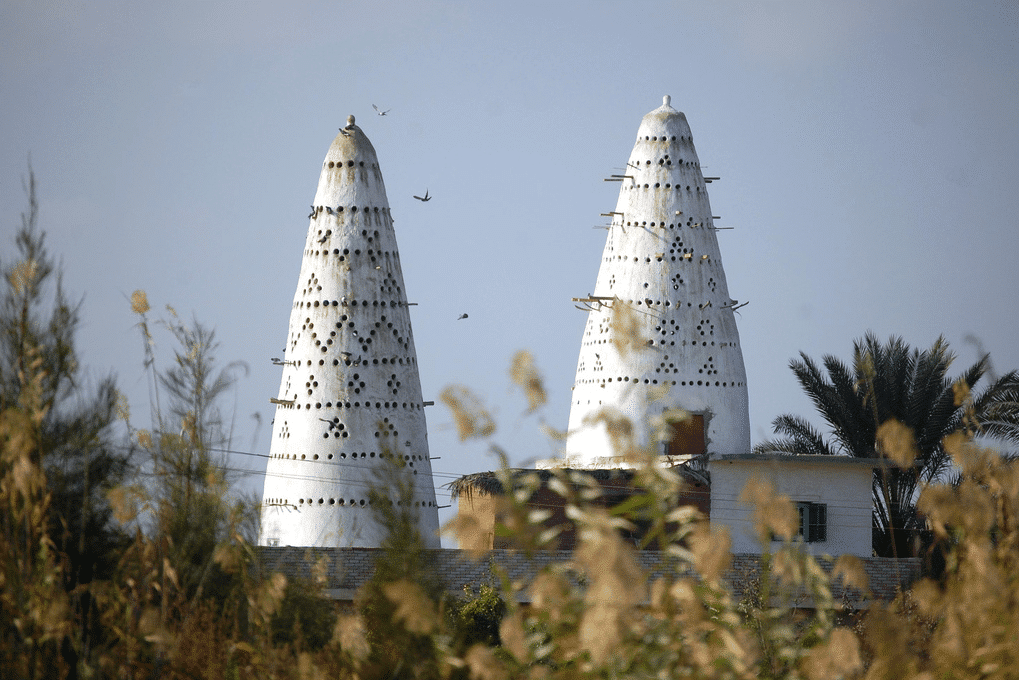
Based on European models, each dovecote should cost ₹5-7 lakh for construction and equipment. These structures must accommodate 50-150 breeding pairs with proper ventilation, nesting boxes, feeding areas, and waste management systems.
Phase 2: Operational Framework
Staffing Requirements: Each dovecote needs 1-2 trained caretakers working under BMC supervision. Annual operating costs per dovecote include feed (₹3.6 lakh), personnel (₹2.7 lakh), maintenance (₹1 lakh), and veterinary care (₹0.5 lakh).
Breeding Control: The core Basel method involves weekly egg replacement with dummies, achieving 100% birth control effectiveness without distressing adult birds. This humane approach allows pigeons to complete their breeding cycle while preventing population growth.


Regulated Feeding: Designate specific feeding times (7-9 AM, 12-1 PM, 4-5 PM) as requested in BMC applications. Provide nutritious grain feed rather than allowing unhealthy street feeding.
Phase 3: Legal and Community Integration
Legal Framework: Amend Solid Waste Management bylaws to designate dovecote zones as legal feeding areas while maintaining bans elsewhere. Create regulatory framework for dovecote operations and community participation.
Community Engagement: Critical success factor involves meaningful consultation with Jain community leaders, animal welfare groups, and residents’ associations. Basel’s success partly depended on massive public education campaigns between 1988-1990.
Cost-Benefit Analysis
I did a cost benefit analysis and it was extremely effective. I can share it with anyone interested.
The total investment for a comprehensive Mumbai program would be ₹10-13.5 crores over five years, covering 50 dovecotes citywide. This compares favorably to Basel’s costs and provides sustainable long-term population control rather than Mumbai’s current reactive enforcement approach costing ₹5-8 lakhs annually with minimal effectiveness.
Addressing Mumbai-Specific Challenges
Land Scarcity Solutions
Mumbai’s density requires vertical dovecote structures and rooftop installations. European cities like Wiesbaden and Augsburg successfully use multi-story pigeon lofts. Partner with housing societies, commercial buildings, and municipal properties for space allocation.
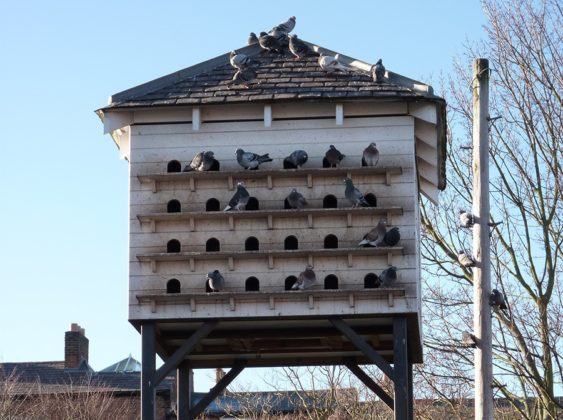
The Jain community’s opposition stems from compassionate feeding traditions. The dovecote system actually enhances pigeon welfare by providing proper nutrition, medical care, and safe breeding environments while respecting religious values.
Maintenance Sustainability
Partner with established NGOs like Stadttaubenhilfe organizations that provide volunteer services in German cities. Mumbai’s animal welfare groups could be trained and certified for dovecote maintenance, reducing municipal burden.
Climate Adaptation
Mumbai’s monsoons require weatherproof dovecote designs with proper drainage and ventilation. European models can be adapted with local materials and climate considerations.
Expected Outcomes
Based on Basel’s documented success, Mumbai can expect:
- 50% pigeon population reduction within 4 years
- Dramatic reduction in pigeon-related complaints
- Improved pigeon health through proper nutrition and veterinary care
- Cost-effective long-term solution compared to current enforcement costs
- Community satisfaction through balanced approach respecting religious values
Implementation Timeline
Months 1-6: Stakeholder consultation, site selection, legal framework development, funding arrangement
Months 7-18: Pilot dovecote construction, staff training, community education campaigns
Months 19-48: Gradual expansion citywide, monitoring and evaluation, system optimization

The Basel model offers Mumbai a proven, humane, and economically viable solution to its pigeon crisis. Success requires committed municipal leadership, adequate funding, community partnership, and adaptation of European best practices to Mumbai’s unique urban environment. With proper implementation, Mumbai can transform its pigeon menace into a managed urban wildlife success story.
As a Medical Doctor, I feel this is the best solution to humanely and sensitively handle the Pigeon problem while safeguarding our health.
Do let me know in your comments if you wish to take this forward. And also do share with those who would benefit.



 Love, power and a sound mind
Leave a comment