I read with interest an article in the Times of India written by the Prime Minister of India, Shri Narendra Modi, on the 5th of January 2026
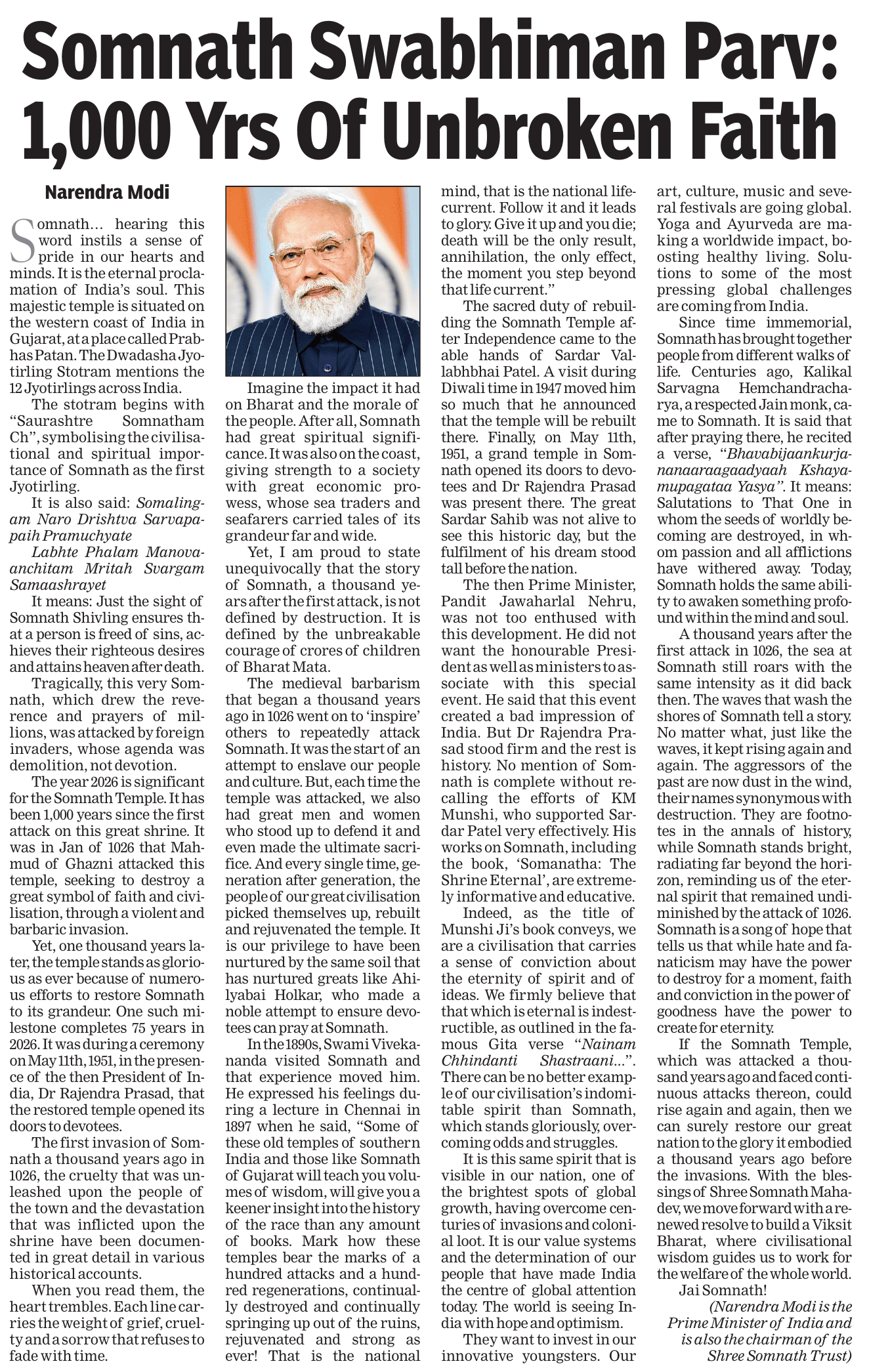
“The Eternal Hope Beyond the Temple of Stone”
Here is my Response to the Somnath Swabhiman Parv
Prime Minister Modi’s reflection on Somnath evokes a deep reverence for India’s spiritual endurance—the story of a people who have faced invasion, loss, and rebuilding with remarkable resilience. As Christians, we honor the longing beneath such devotion: the human desire for the Eternal, the Indestructible, the Holy.
However, the Gospel of Jesus Christ offers a breathtaking revelation. It proclaims not the eternity of a shrine made of stone, but the eternity of the person and presence of God Himself, now revealed in the crucified and risen Christ. The Apostle Paul puts it this way:
“The God who made the world and everything in it does not live in temples made by human hands.” (Acts 17:24)
1. The Human Search for the Eternal
In the words quoted from the Bhagavad Gita — “Nainam Chhindanti Shastraani,” “The spirit cannot be cut by weapons” — there is a profound intuition that something within us longs for what cannot be destroyed. This reflects the truth Ecclesiastes 3:11 declares: “God has set eternity in the human heart.”
Yet Scripture also reveals the tragedy of the human story: though we yearn for the Eternal, our hearts are enslaved to sin and death. Our temples, our traditions, our cultures — all point toward a desire for God, but fall short of His true presence (Romans 1:19–23).
2. The True Temple: God With Us
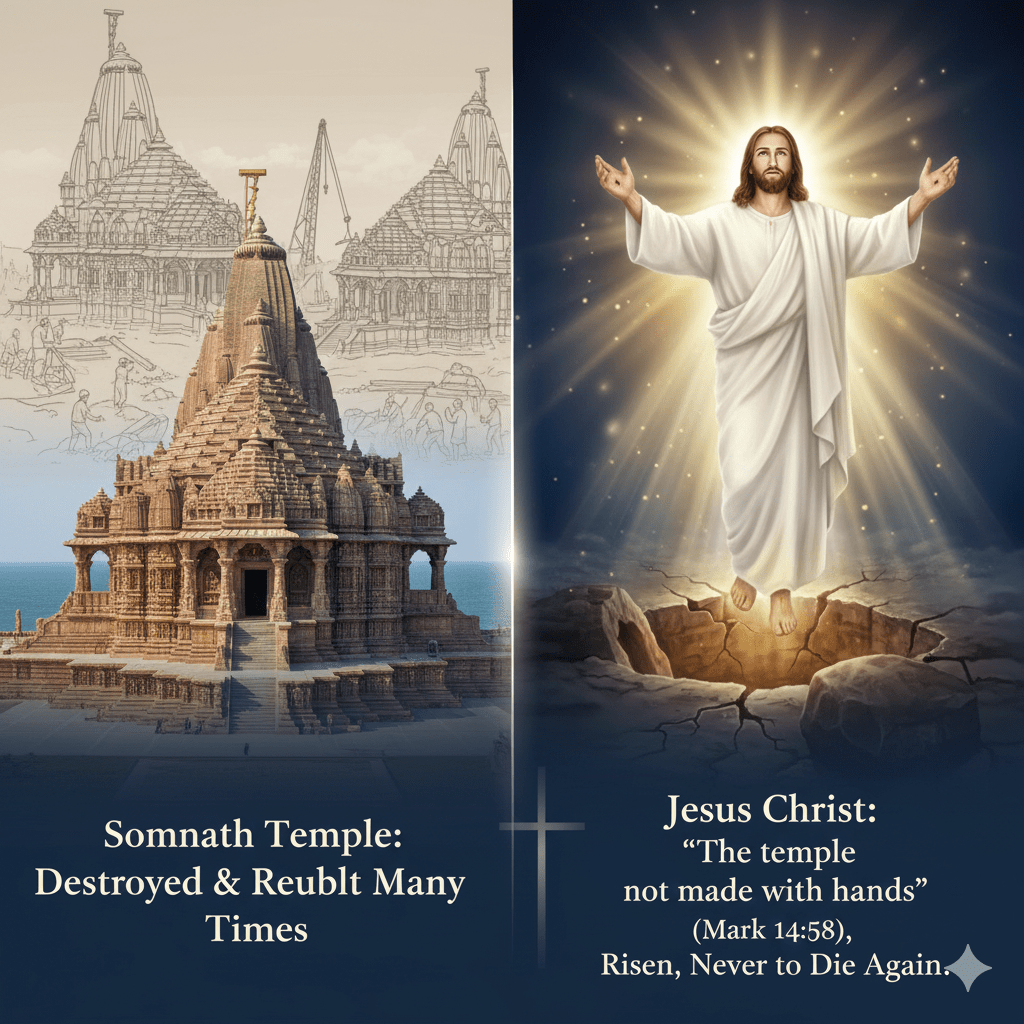
The rebuilding of Somnath stands as a symbol of faith’s resilience. But can any rebuilt stone reconcile humanity with God? While the Somnath temple may rise from its ruins again with human efforts, Jesus Christ—“the temple not made with hands” (Mark 14:58)—rose from the dead, never to die again.
His resurrection is not a symbol but a once-for-all victory over sin, death, and every spiritual power of darkness.
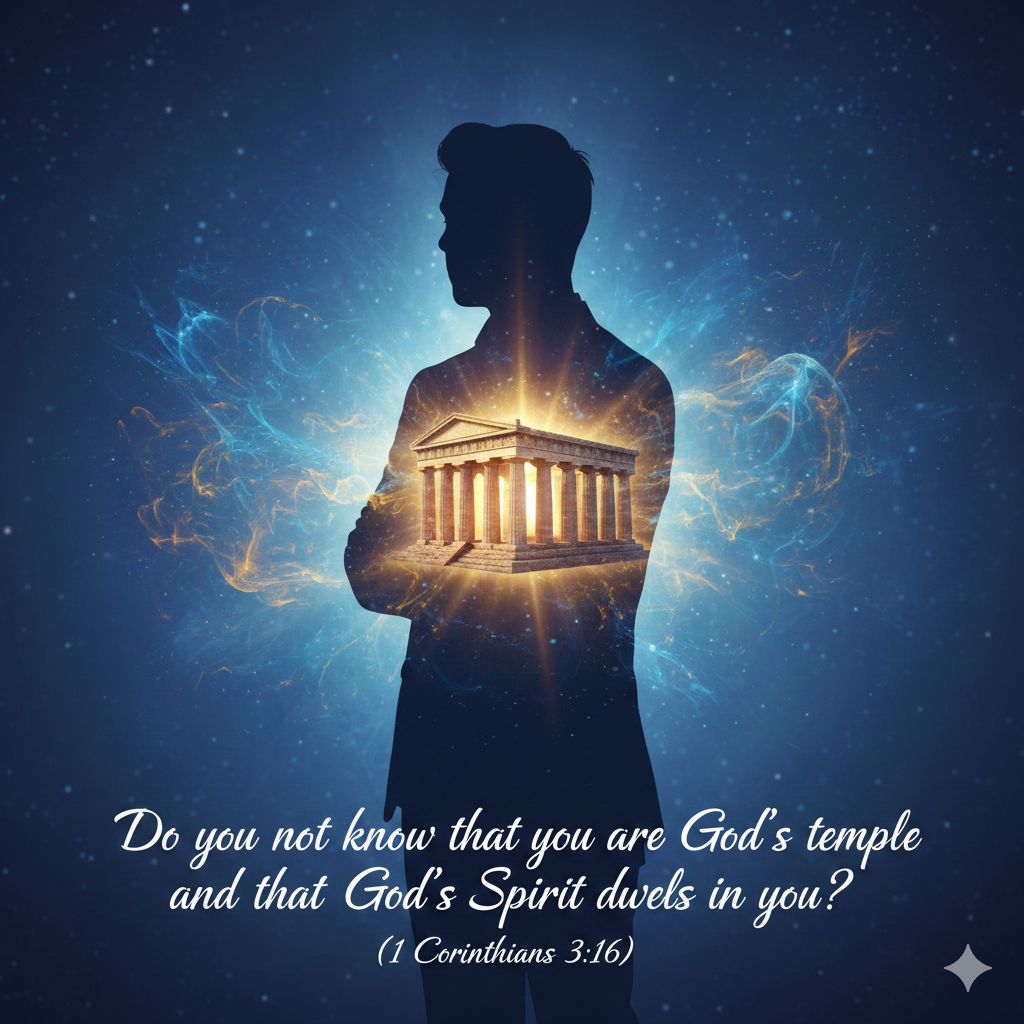
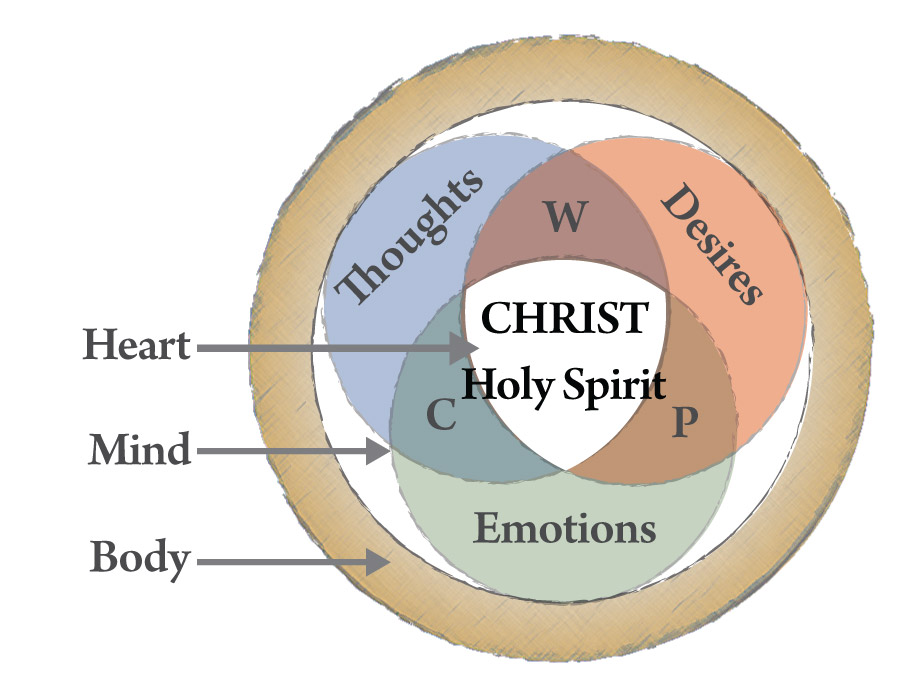
The temple of God is now the redeemed heart of a believer, indwelt by the Holy Spirit. As Paul writes:
“Do you not know that you are God’s temple and that God’s Spirit dwells in you?” (1 Corinthians 3:16)
Thus, the invincible hope and glory Christians proclaim are not in a location, nation, or civilization, but in the indwelling Christ who said, “Behold, I make all things new.” (Revelation 21:5)
3. Sin and Liberation: Two Different Freedoms
The stotram Modi quotes declares that “Just the sight of the Somnath Shivling ensures one is freed from sins.” This expresses humanity’s deep desire to be cleansed.
But think for a moment. How can looking at a stone free you from sin?
The Bible reveals that we cannot be freed from sin through sight or ritual, but only by faith in the finished substitutionary sacrifice of the Lamb of God, whose sacrifice paid the full and final price or punishment that our sins deserved.
“The death of Jesus…on our behalf… cleanses us from all sin.” (1 John 1:7)
No temple, no pilgrimage, no offering can achieve this cleansing. Because doing something, effort
The resurrection of Christ [which initially even His disciples could not believe] after He laid down His life demonstrated to the world that death has been destroyed along with the power of sin. This fulfills what every heart and religion has longed for—the destruction of sin’s power and death’s dominion.
4. From National Glory to Universal Salvation
The article by the Prime Minister beautifully celebrates India’s courage and civilizational strength. Yet even the loftiest national revival cannot heal the human soul. Christ did not come merely to make one nation great, but to form a new humanity through His death and resurrection, reconciling people from every language and tribe unto God (Revelation 5:9).

Thus, Christian hope is not just “Make Bharat great again”—it is “Behold, the Lamb of God who takes away the sin of the world.” True Viksit Bharat—a developed and flourishing India—can only be found when its people encounter the transforming grace of Jesus Christ.
5. The Eternal Song: Not of Somnath, But of the Lamb
Modi concludes saying, “Somnath is a song of hope… faith and conviction in the power of goodness have the power to create for eternity.” The Gospel agrees that goodness triumphs—but it identifies the source of that goodness. Jesus Christ, the sinless One, absorbed all hatred and destruction at the Cross, and through His resurrection, ushered in the eternal new creation.
So, while Somnath’s waves continue to roar, Christians proclaim a greater and everlasting song:
“Death has been swallowed up in victory. Where, O death, is your sting?” (1 Corinthians 15:54-55)
That is the true “Swabhiman Parv” — the Festival of the Cross—where pride gives way to praise, and human rebuilding is replaced by divine resurrection.
In conclusion:
The rebuilding of Somnath symbolizes faith’s endurance, yet Christ’s empty tomb reveals faith’s fulfillment. The hope of the world is not in temples that withstand destruction, but in a Savior who destroyed death itself.
India, with her deep spiritual thirst, is not far from the Kingdom of God (Acts 17:27).
And amidst every story of revival, one truth still stands unbroken for all eternity:
Jesus Christ is Lord — the true Temple, the final Sacrifice, and the eternal Hope of all nations.


 Love, power and a sound mind
Leave a comment