
Ethical Analysis: Balancing Autonomy, Sanctity of Life, and Compassion
The Supreme Court’s recent directive [30th April 2026] to AIIMS regarding a 15-year-old girl’s 30-week pregnancy brings into sharp focus a complex conflict between secular legal principles—prioritizing individual autonomy and social stigma—and the Christian bioethical framework, which emphasizes the sanctity of life, the protection of the vulnerable, and a nuanced approach to moral decision-making.
The Sanctity of Life vs. Autonomy
From a Christian perspective, life is recognized as a gift from God, beginning at conception.

This framework posits that human life possesses inherent dignity, regardless of its stage of development. Therefore, the termination of a pregnancy at 30 weeks—when the fetus is viable and capable of surviving outside the womb—is viewed with profound moral gravity.
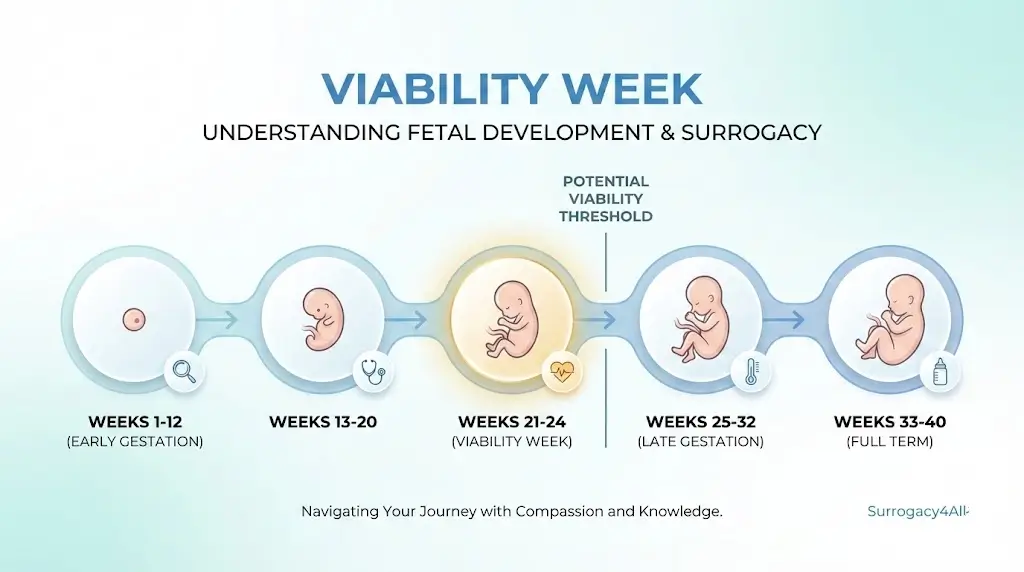
While secular law in India apparently emphasizes the autonomy of the girl and her parents to choose termination to avoid “stigma,” Christian ethics often pivots toward the “sanctity of life” principle. This principle compels society to protect the life of the unborn child, viewing the fetus as a distinct human being with a right to life that must be balanced against the mother’s needs.
The Doctrine of Double Effect and Compassion
Christian bioethics does not ignore the genuine suffering of the pregnant girl. There is a deep commitment to the principle of compassion—a central tenet of the Gospel.
In this case, the medical team at AIIMS argued that a premature delivery (termination at 30 weeks) poses severe risks to both mother and child, whereas waiting four weeks could allow for a healthier outcome for both. A Christian ethical approach would support this clinical assessment not merely as a technical preference, but as an application of non-maleficence (do no harm) and beneficence (acting in the best interest of the patient).
The Court’s dismissal of the doctors’ concerns as an overreach of “parens patriae” (the state’s paternalistic role) ignores that the medical profession is fundamentally tasked with preserving life.

In Christian thought, the doctor acts as a steward of health, and advocating for a path that results in the healthiest outcome for two lives—rather than the destruction of one—is a moral imperative, not a bid for power.
A Framework for Moral Discernment
The Supreme Court stated that “the people will decide,” and that the role of the institution is to “enable the choice.” However, in a Christian framework, “informed choice” is not merely about receiving data; it is about moral formation.
- Subsidiarity and Support: The state and medical institutions should do everything within their power to mitigate the “stigma” the Court fears. If the primary secular objection to carrying the pregnancy is the socio-economic burden and social stigma, the Christian response is not to terminate the life of the child, but for the community and state to provide the necessary support—adoption, financial aid, and counseling—to protect both the mother’s future and the child’s life.
- The Burden of Responsibility: While the Court frames this as a choice between “lesser pains,” Christian ethics suggests that choosing the path that preserves the life of the child—while aggressively supporting the mother through the difficulties—is the higher moral ground. It rejects the idea that a human life is a commodity to be discarded to solve a social or psychological crisis.
The conflict between AIIMS and the Supreme Court highlights a fundamental disagreement regarding the value of the unborn. While the Court views the pregnancy primarily through the lens of the girl’s autonomy and future quality of life, the Christian framework suggests that these interests can be better served without the sacrifice of another human life.
True ethics in this context would involve the state and medical professionals working in tandem not to facilitate an irreversible termination, but to provide a robust infrastructure of care that honors the girl’s dignity while upholding the sacred principle that every life, from the moment of viability, deserves protection.
How does this perspective align with your understanding of the ethical dilemmas you see in this story?






Leave a Reply