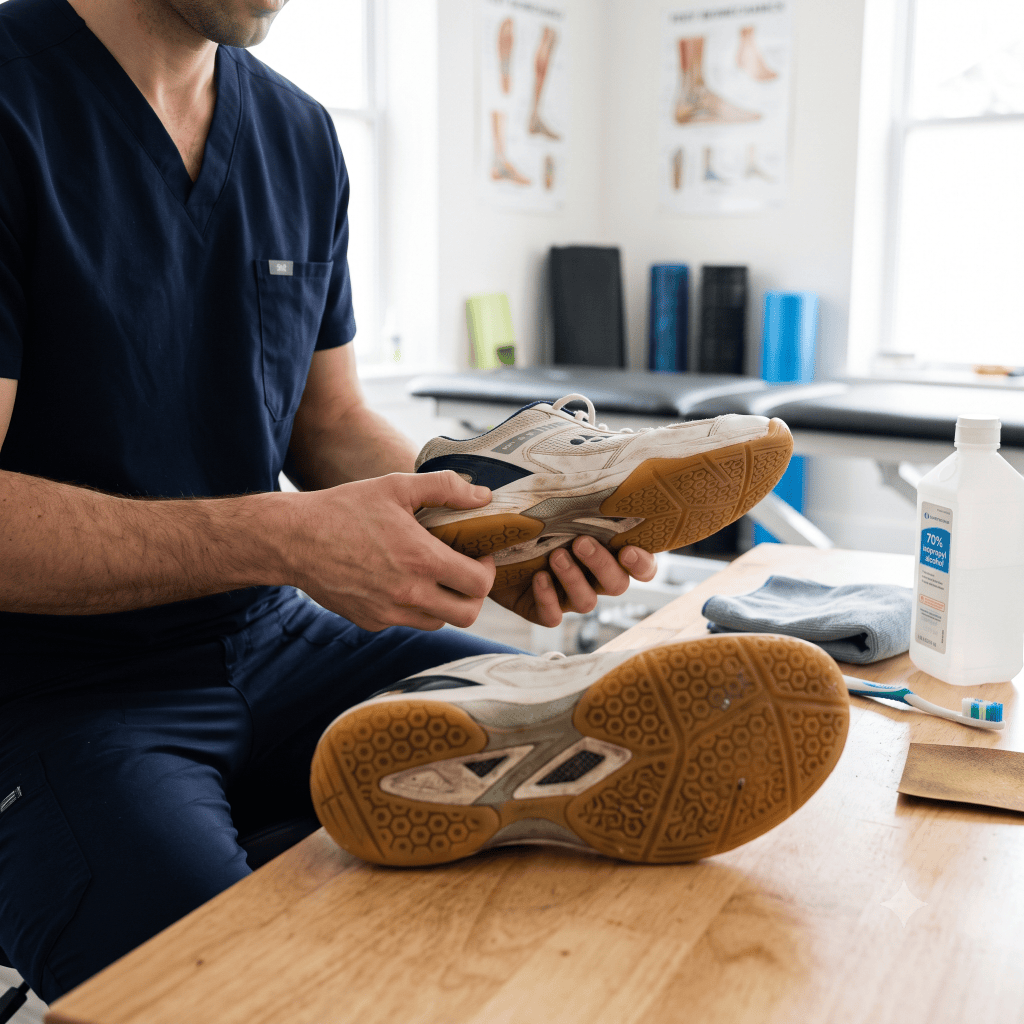
If you are using gum soles for indoor sports, and wondering how to maintain them in the best condition for the longest period of time, look no further!
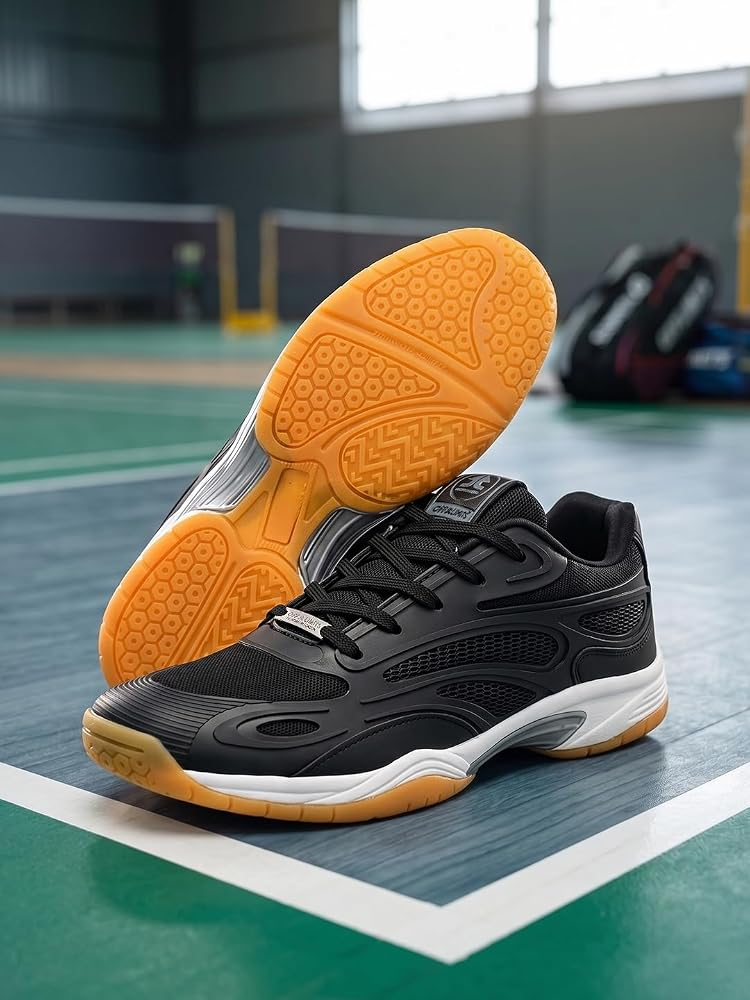
I will guide you on exactly what to do, and more importantly, what not to do t maintain your gum soles give you all the required grip and traction on court.
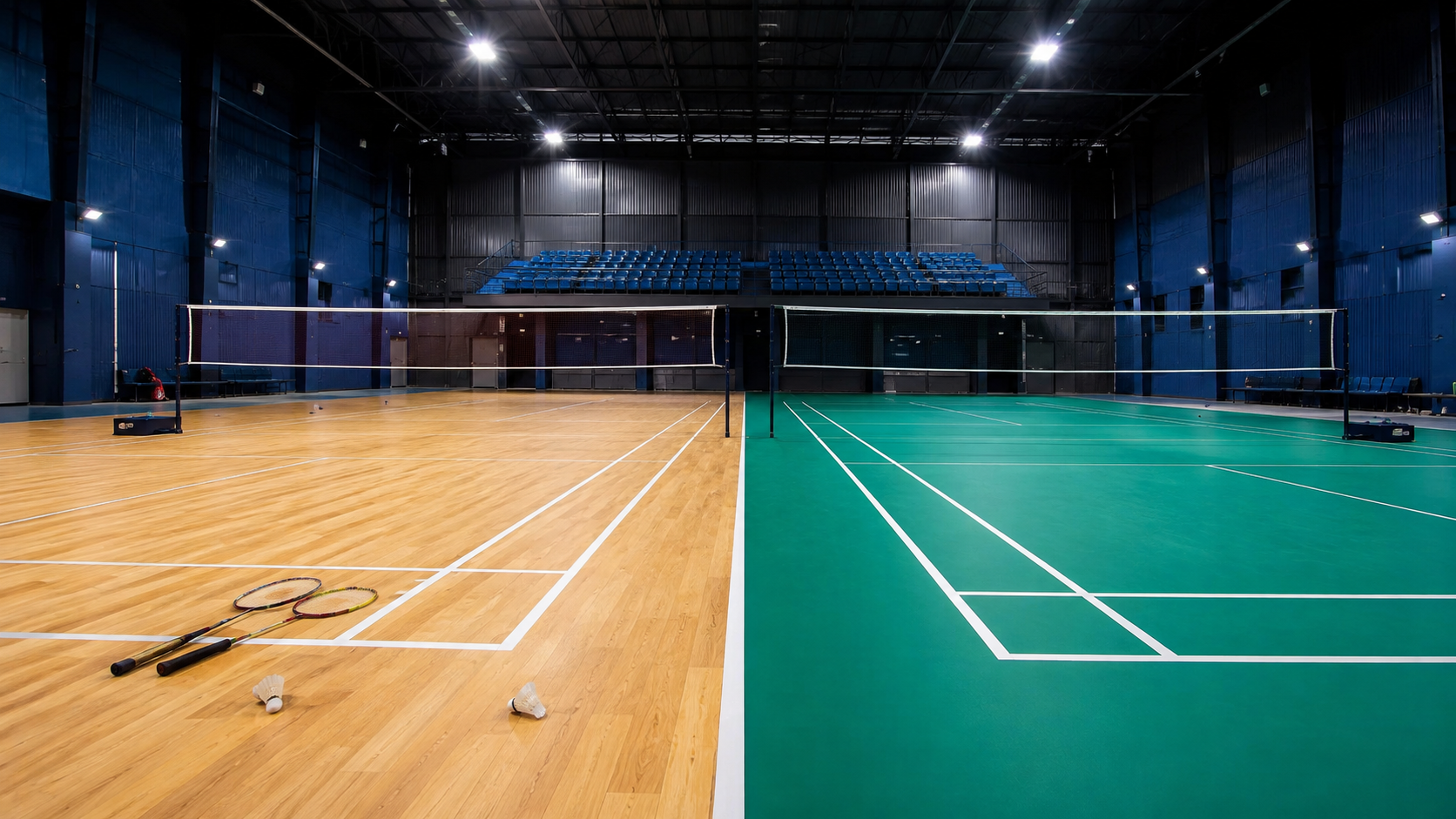
Whether you play Badminton, Squash, or any other indoor sports on wooden or synthetic surfaces, you will agree that your shoes play a very important role in your movement and overall game.
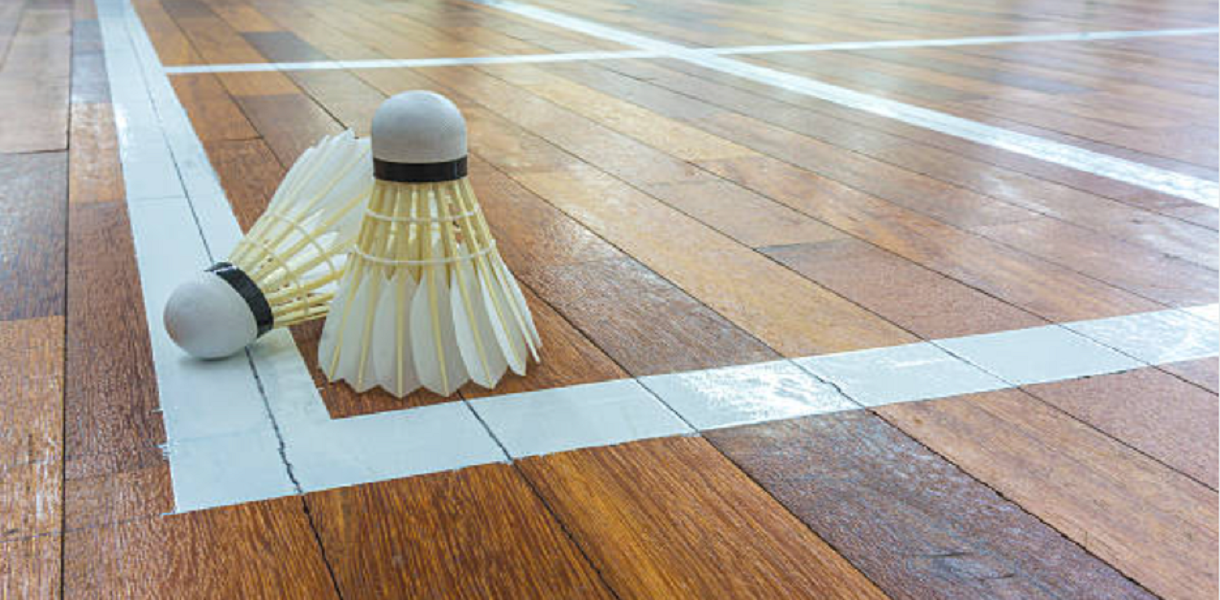
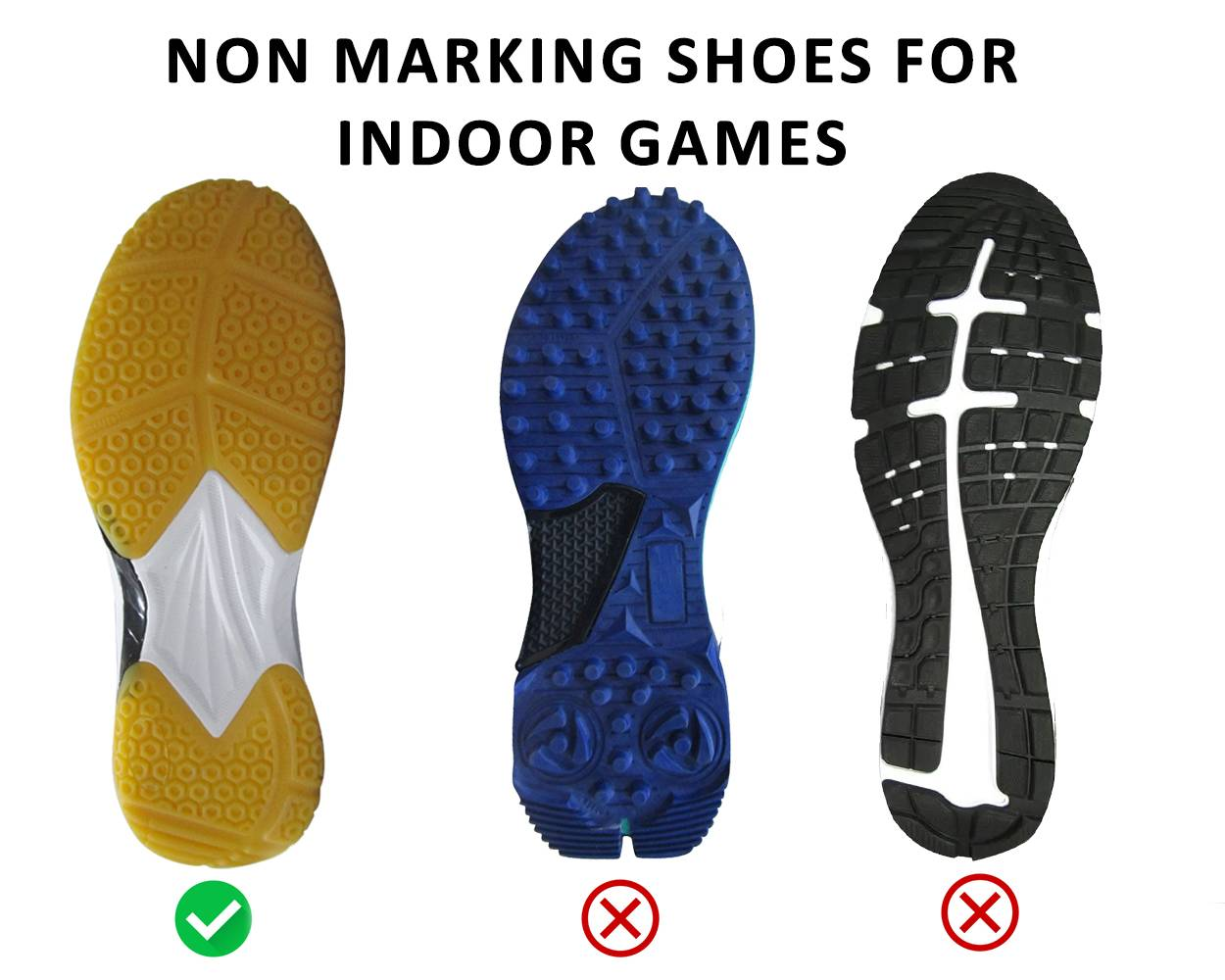
Whether you step onto a wooden parquet or synthetic mat court for badminton, squash, or volleyball, one sensory cue signals readiness: the sharp squeak of your shoes executing a split-step.
As recreational and competitive players, we spend significant time discussing racquet balances, string tensions, and training regimens. Yet the single piece of equipment mediating every explosive lunge, lateral cut, and sudden deceleration is often neglected until a slip or an injury occurs.
To the naked eye, a court shoe looks like any other sneaker, but beneath your foot lies a masterclass in materials engineering: natural gum rubber outsoles and energy-dissipating polymer foams. Understanding how these materials behave—and how they fail—is one of the most effective preventive health investments you can make for your ankles, knees, and lower back.
Chapter 1: The Chemistry of the Gum Sole—Why It Stays Soft
A common question among court enthusiasts is how gum outsoles maintain their soft, pliable tackiness over months and years of play, whereas street-running shoes feel hard and slick. The secret lies in polymer chemistry:
1. The Natural Polyisoprene Advantage
Unlike outdoor running outsoles, which rely heavily on stiff synthetic styrene-butadiene rubber (SBR) mixed with abrasive carbon black, indoor court shoes use high ratios of natural gum rubber (cis-1,4-polyisoprene).
- Natural polyisoprene has a very low glass transition temperature ($T_g \approx -70^\circ\text{C}$). At standard ambient temperatures, its molecular chains remain in a flexible, rubbery, high-mobility state.
- With minimal inorganic fillers, its Shore A durometer rating remains around 50–60A (compared to 75–85A in outdoor athletic shoes), allowing it to conform microscopically to court floors to generate friction.
2. Controlled Vulcanization
Rubber firmness is dictated by cross-link density—the sulfur bridges connecting polymer chains. Manufacturers intentionally formulate indoor soles with lower cross-link density, leaving polymer strands free to deform elastomeric segments under shear stress without tearing.
3. Dynamic Mechanical Renewal
Counterintuitively, gum soles stay softer when played in regularly than when left untouched in a dark wardrobe. Every aggressive lateral cut and friction slide causes micro-abrasion that shears off the oxidized, hardened outer skin, continuously exposing fresh, pliable rubber underneath.
Chapter 2: How to Restore Slick or Glazed Gum Soles
Over time, court dust, sweat salts, and airborne ozone form a microscopic glaze over the tread, turning high-traction footwear into an ice-skating hazard. Before discarding the shoes, you can restore their grip through three targeted steps:
- Deep Cleansing: Scrub the outsole with warm water and a few drops of mild dish soap using a stiff nylon bristle brush. This strips embedded court dust and sweat oils out of the micro-grooves.
- Solvent De-Greasing: Wipe the pattern firmly with a microfiber cloth dampened with 70% isopropyl alcohol. It lifts persistent floor waxes and oily court residues without harming the rubber matrix.
- Micro-Abrasion (The Reset): If the rubber has oxidized into a slick, hard shell, take 120- to 180-grit sandpaper or a dry abrasive scouring pad and lightly scuff the high-drag zones (under the ball of the foot and pivot point) in small circles. Removing a fraction of a millimeter of dead skin restores a velvety, instant-grab surface.
Caution: Avoid heat guns, radiators, and petroleum solvents like WD-40 or lighter fluid. Petroleum solvents irreversibly break down polyisoprene chains, melting the sole into a permanently damaged, gooey residue.
Chapter 3: When Is a Court Shoe Truly “Dead”? (The Medical Perspective)
Many players keep using court shoes until the upper tears or a hole appears in the toe box. From a biomechanical and sports medicine viewpoint, this is dangerous: a shoe’s protective lifespan expires long before its fabric wears out.
When a shoe loses its structural integrity, high-velocity braking forces bypass the footwear and transfer directly into the plantar fascia, Achilles tendon, patellar tendon, and lumbar spine.
Inspect your shoes across three critical checkpoints:
1. Midsole Compression Set (The “Dead Foam” Test)
The foam midsole (EVA, TPU, or specialized cushioning) dissipates vertical shocks.
- The Test: Press your thumbnail firmly into the foam sidewall beneath the heel and forefoot. A healthy shoe bounces back immediately. If the foam feels rock-hard, shows deep horizontal wrinkles that remain after 24 hours of rest, or leaves a lingering dent, the micro-cellular air pockets have collapsed permanently.
- The Symptom: If you experience post-match heel tenderness, shin splints, or knee pain that wasn’t there six months ago, your midsole is bottoming out on impact.
2. The Torsional “Wring” Test
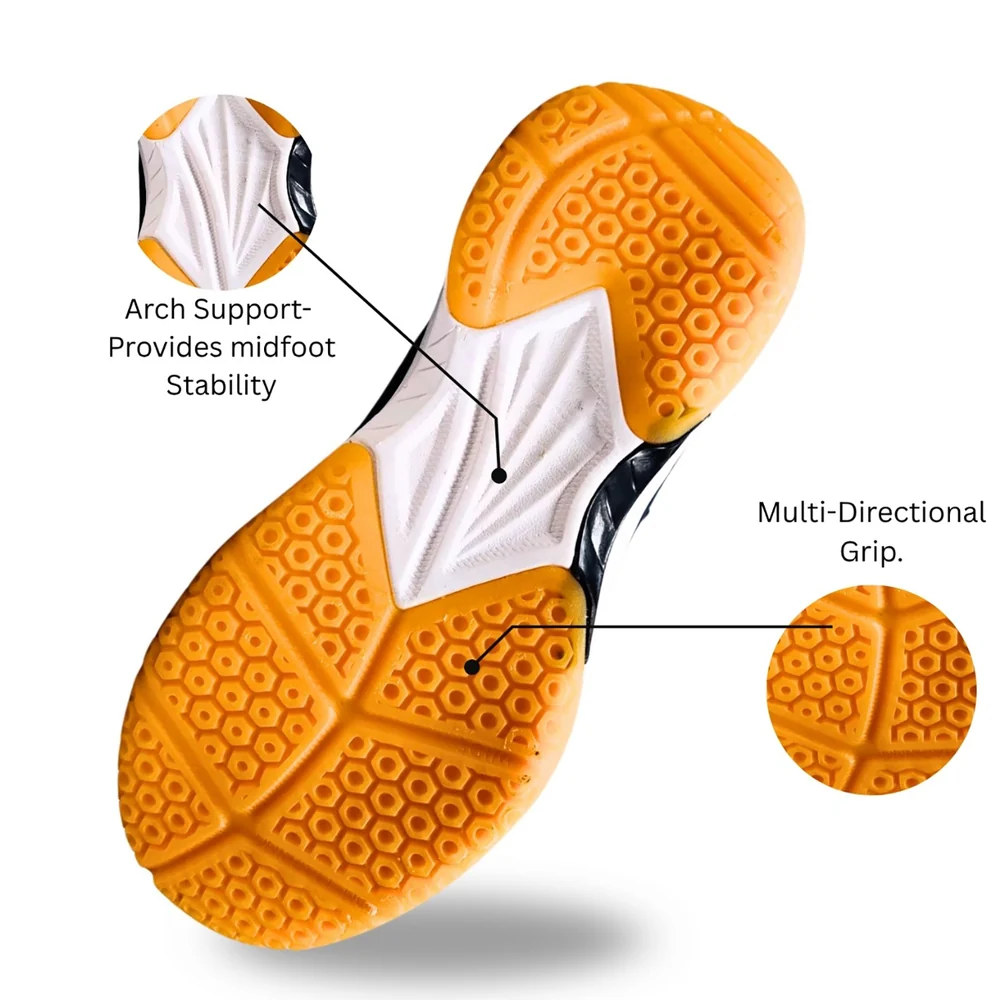
Court shoes incorporate a rigid composite or TPU bridge (shank) across the midfoot to protect the arch during lateral push-offs.
- The Test: Hold the heel in one hand and the toe in the other; attempt to wring the shoe like a wet towel. A sound court shoe offers strong torsional resistance. If it twists easily or folds in the middle of the arch rather than flexing naturally at the metatarsal joint (ball of the foot), the internal shank has failed, exposing you to severe ankle-inversion sprains.
3. The Heel Tilt Test
Place both shoes on a flat tabletop and inspect them from behind at eye level. If the heel counters lean inward or outward, the heel cup’s structural geometry has fatigued. Continuing to train in asymmetric heel cups forces the sub-talar joint into chronic malalignment.
Chapter 4: The 2-Pair Rotation—Biomechanics Meets Economics
Buying two pairs of court shoes at once often feels like an unnecessary indulgence. Yet alternating between two active pairs significantly extends total playable hours—often delivering 20% to 30% more total match time than using two pairs consecutively.
Why Rotation Works:
- The 48-Hour Foam Rebound: Under the high impact of jumping and lunging, foam undergoes viscoelastic lag (hysteresis). While the initial bounce returns quickly, total elastic cell restoration requires 24 to 48 hours. Playing back-to-back days in the same shoe re-stresses partially crushed foam, accelerating permanent compression set.
- Sweat, Humidity, and Adhesives: A two-hour indoor match deposits substantial sweat into the footbed. This warm, humid microclimate weakens the hot-melt polyurethane adhesives bonding the outsole to the midsole, leading to perimeter peeling. Alternating pairs allows materials and adhesives to dry completely at room temperature, preserving structural lockdown.
Chapter 5: The Post-Match Care Routine
To get the most mileage out of your footwear and protect your feet, establish this quick ritual after every session:
- Unlace Completely: Never kick your shoes off using the opposite toe. Stepping on the heel collar crushes the internal counter and ruins lateral ankle stabilization.
- Pull the Insoles Out Immediately: Remove the footbeds so air can circulate beneath the strobel board where sweat accumulates.
- Air Dry at Ambient Temperatures: Never leave court shoes inside a zipped gym bag or a hot car boot. Ambient room temperature near open air or an unvarnished cedar shoe tree will safely pull moisture away.
- Wipe Down the Outsoles: Keep a damp cloth in your kit to wipe away micro-dust before storing your shoes in a breathable mesh bag away from direct sunlight.
Final Thoughts: Total Health Starts from the Ground Up
Sports like badminton, squash, and tennis offer unmatched cardiovascular, metabolic, and cognitive benefits. But staying active across decades requires smart stewardship of your kinetic chain.
Your shoes are not just accessories—they are impact filters for your musculoskeletal system. Take care of your outsoles, respect the recovery cycle of your midsoles, and retire shoes before they pass their structural expiration date. Your knees and ankles will thank you.





Leave a Reply