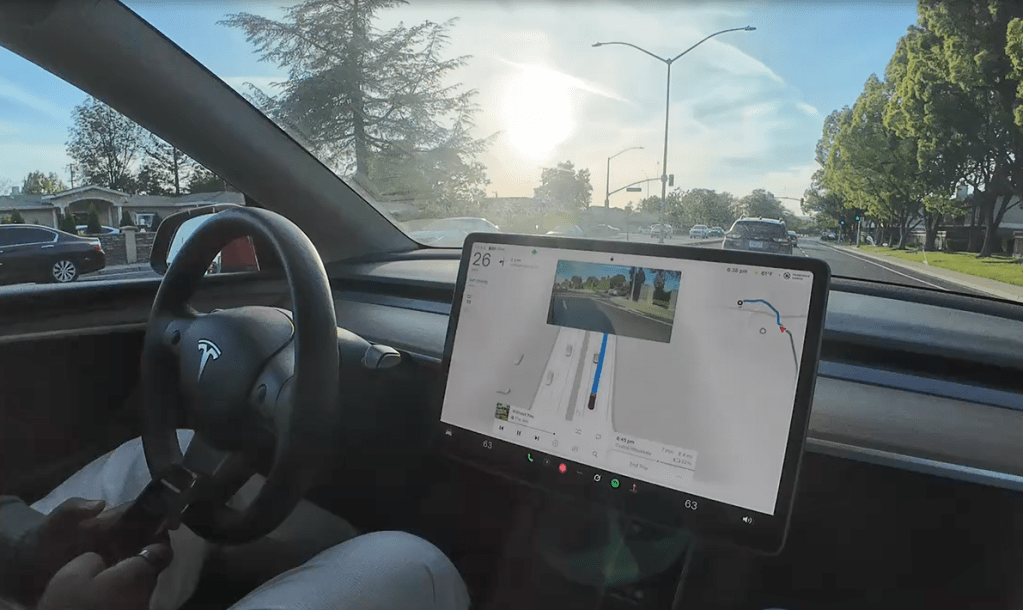
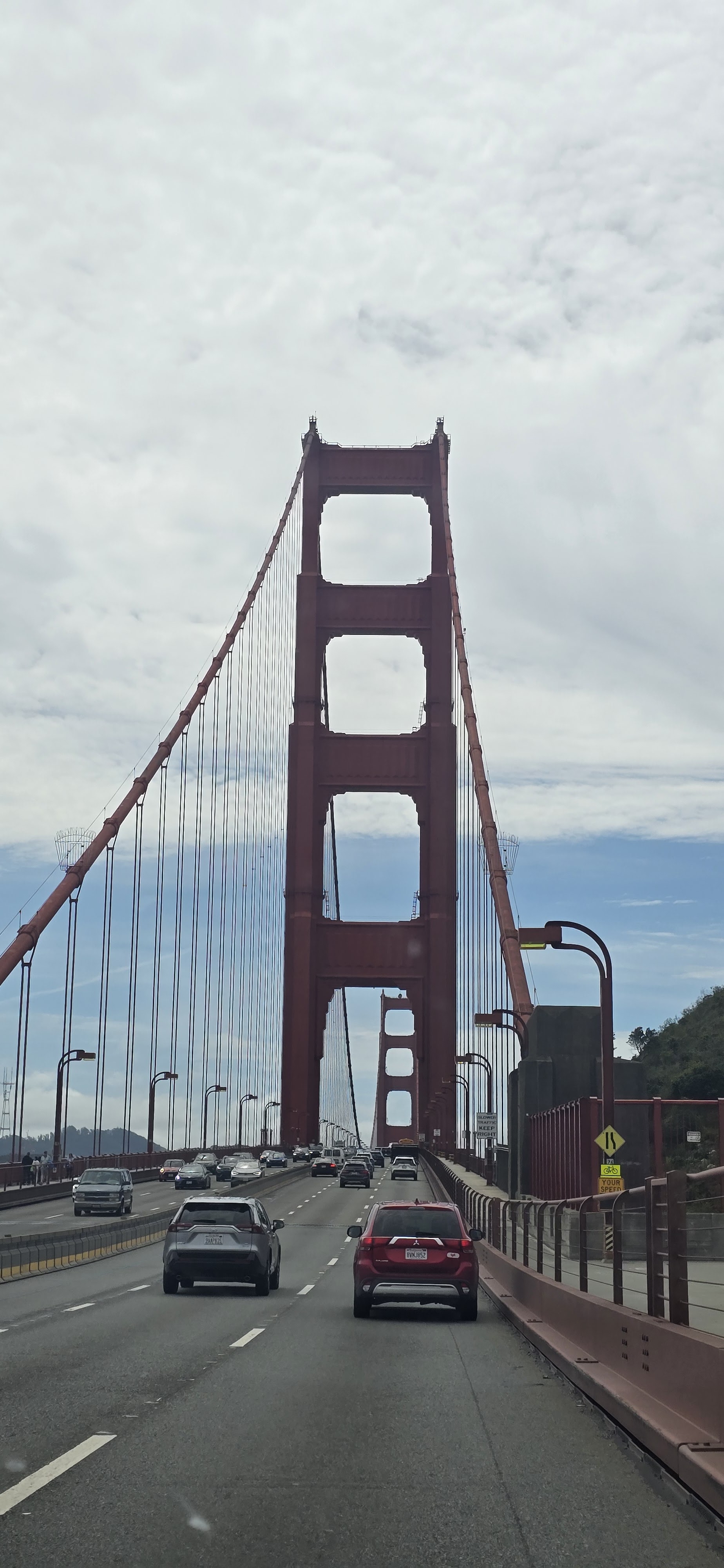
On a recent trip to San Francisco, my wife and I were surprised to see that cars that drive themselves have now become a part of normal day to day life.
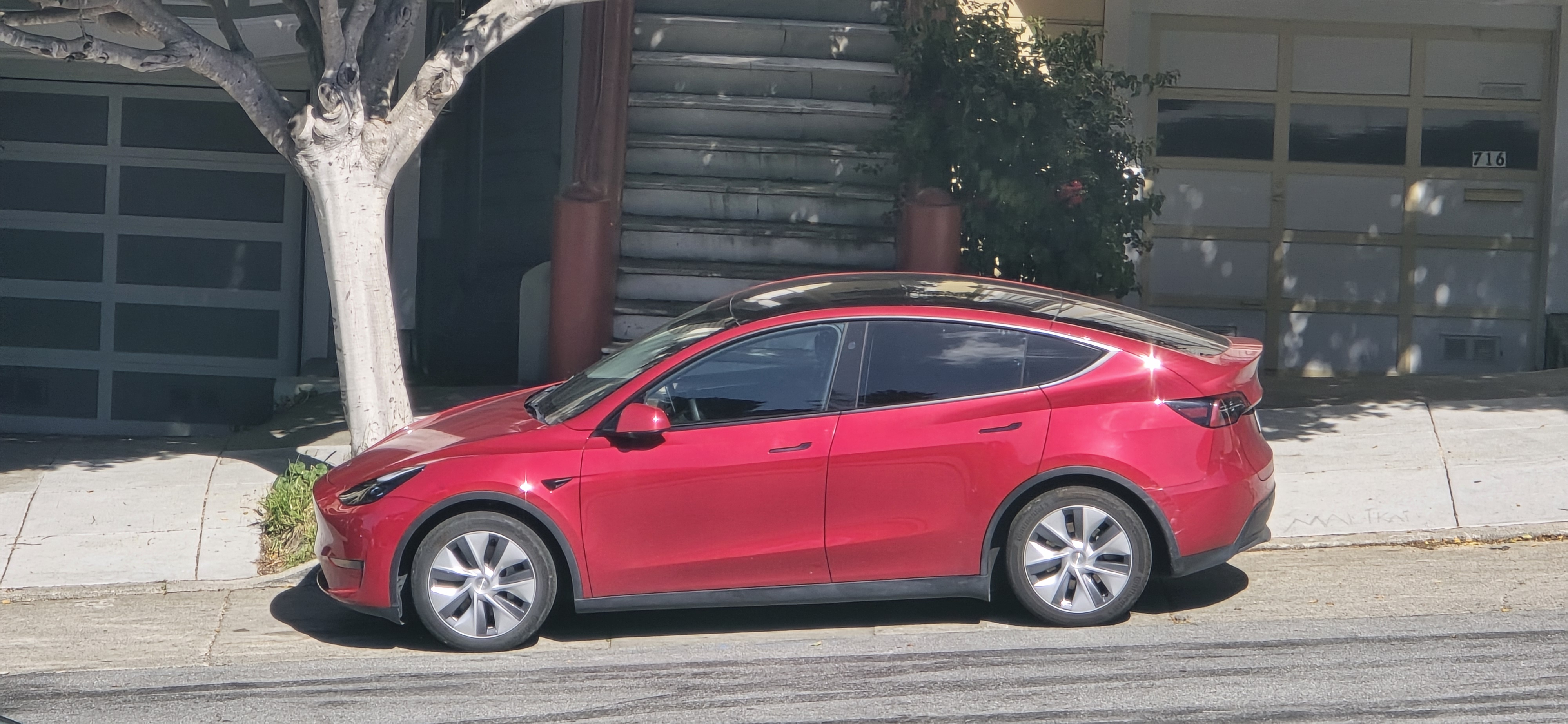
The first surprise was how well the Tesla Y model drove itself.
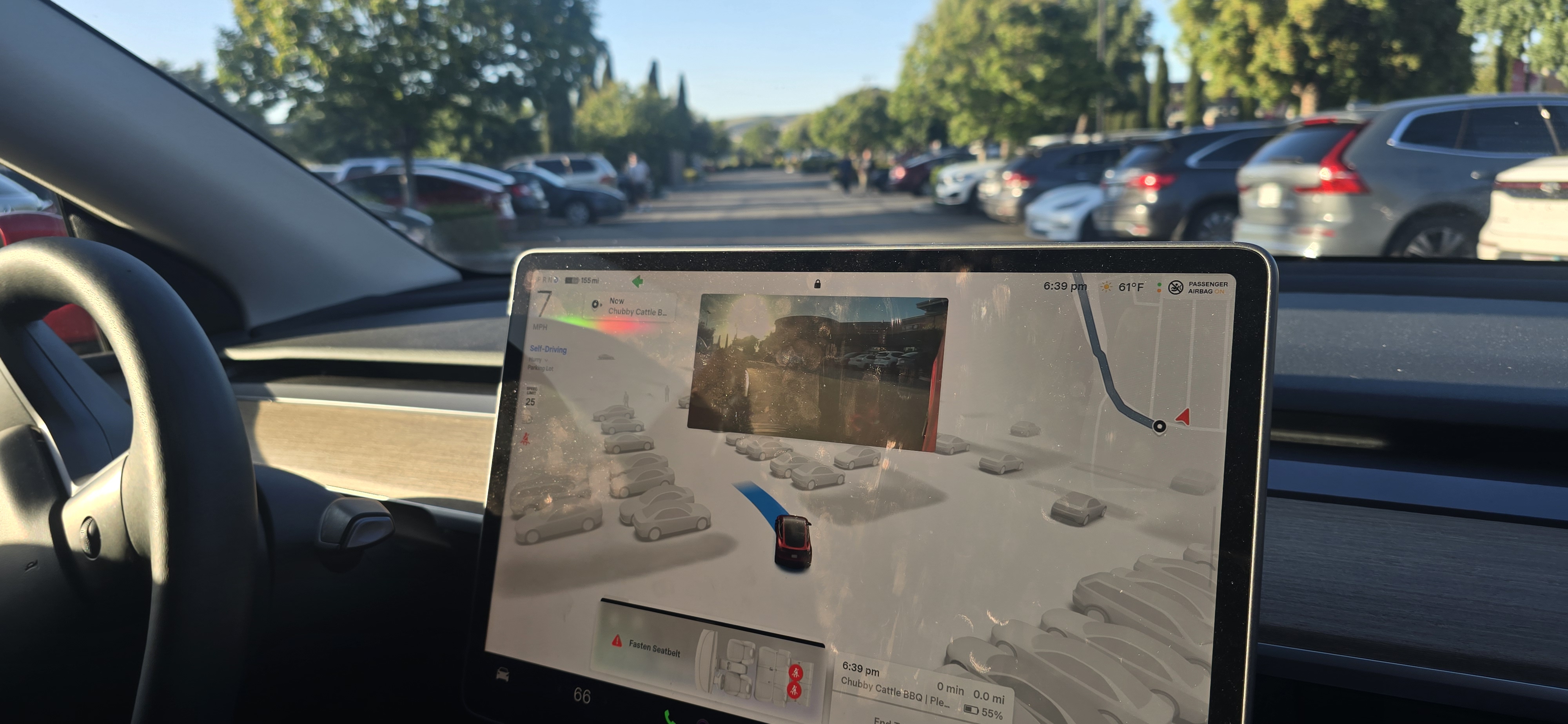
As I understood, this self driving add-on comes at an extra 100$ per month subscription, or you can purchase it for life for 15,000$
You can see a video I shot here, of how well the car drives.
The second surprise was seeing driverless taxis. We saw weird looking cars with things rotating and flashing around them stopping and picking up passengers and taking them to their destinations, all done by an app on the phone.
San Francisco has indeed become the global epicenter for the transition to autonomous transport.
We aren’t just moving toward self-driving cars; we are witnessing a total reimagining of human mobility.
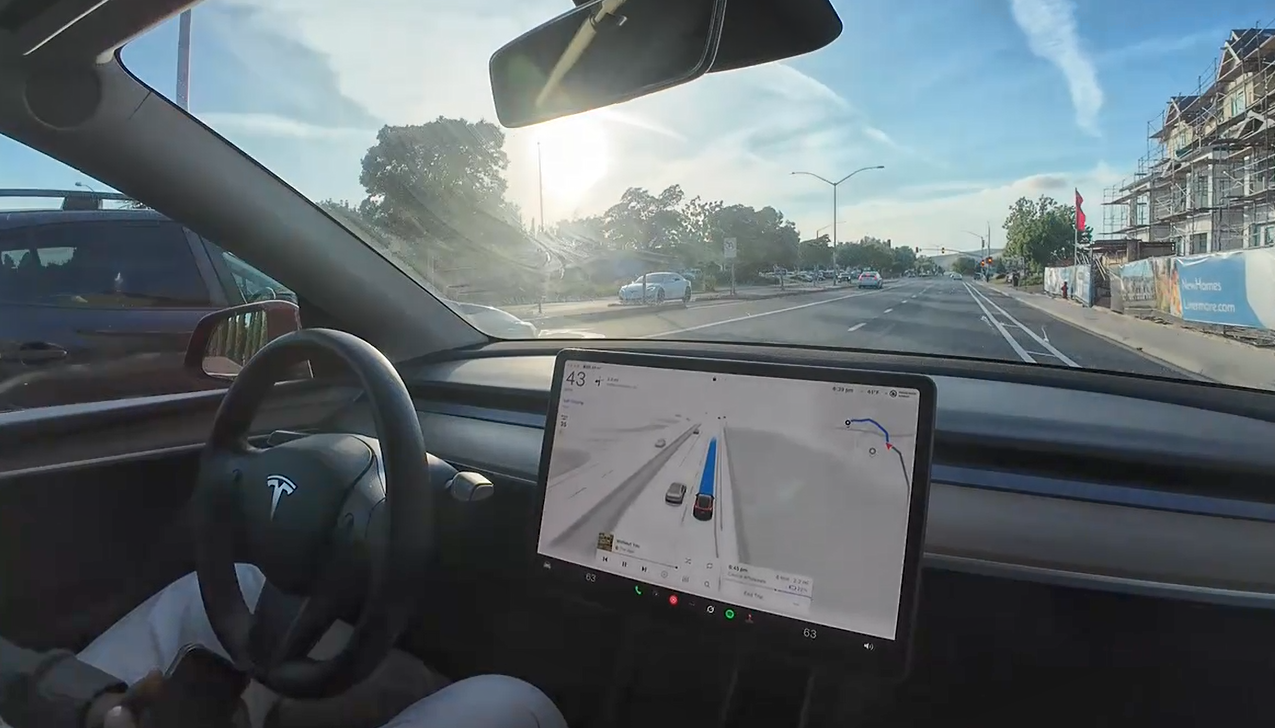
The Tesla Y excelled in San Francisco city traffic as well as on the freeways. The car has a few settings to adjust the personality of the car, from Sloth to Mad Max mode! It does need the driver to remain focused on the road. The driver need not place his hands on the wheel at all. However if the driver is looking down at their cell phone etc, the car beeps and gives a warning to pay attention to the road!
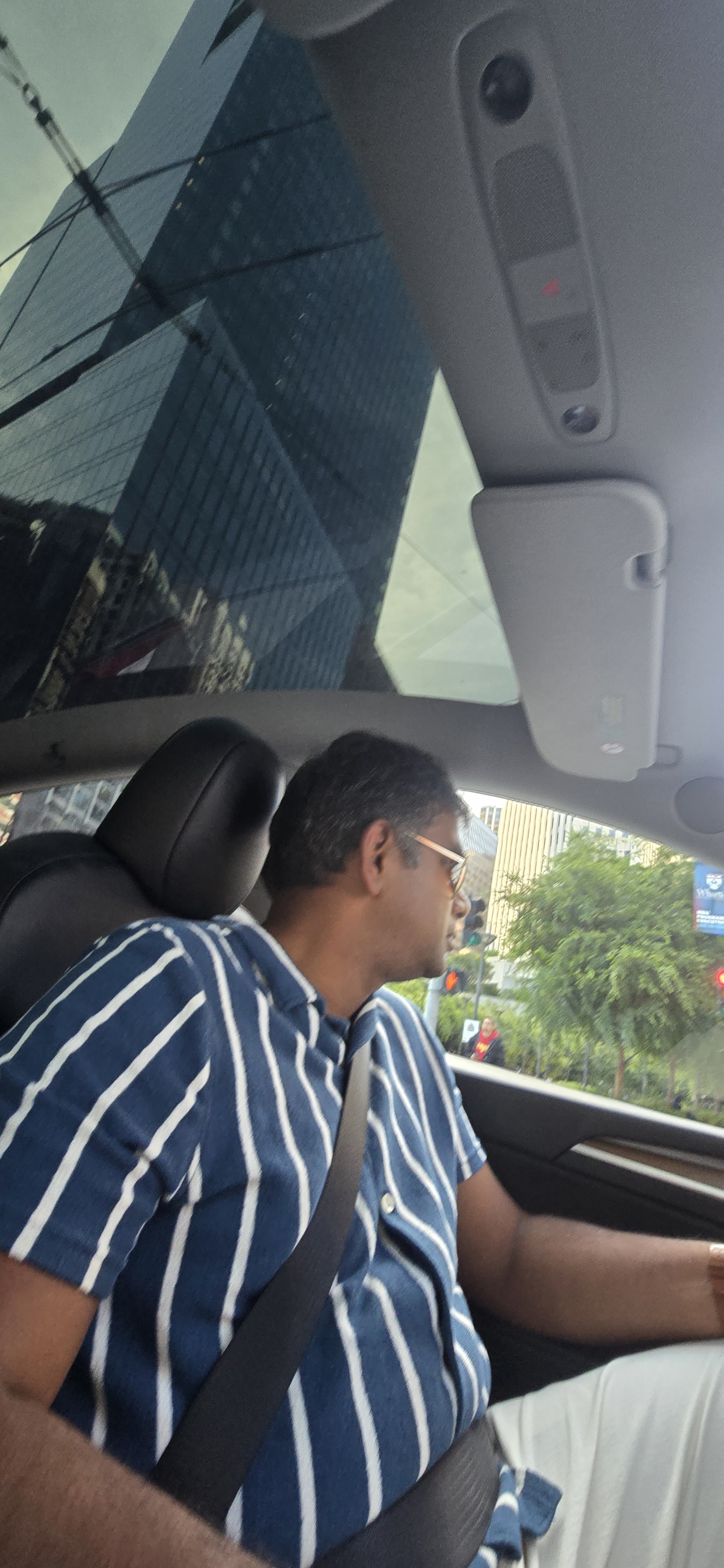
The car steers on its own, finds gaps in the lanes, signals, and moves ahead like a pro, all the while keeping an eye on the speed limits and signals. In fact the drive is so good that one wife said she felt safer when the car is driving than when her husband is driving!
The driverless taxi is also quite fascinating. I call it the “Waymo Ubiquity”— the white SUVs with spinning LiDAR sensors are now a standard part of the SF background.
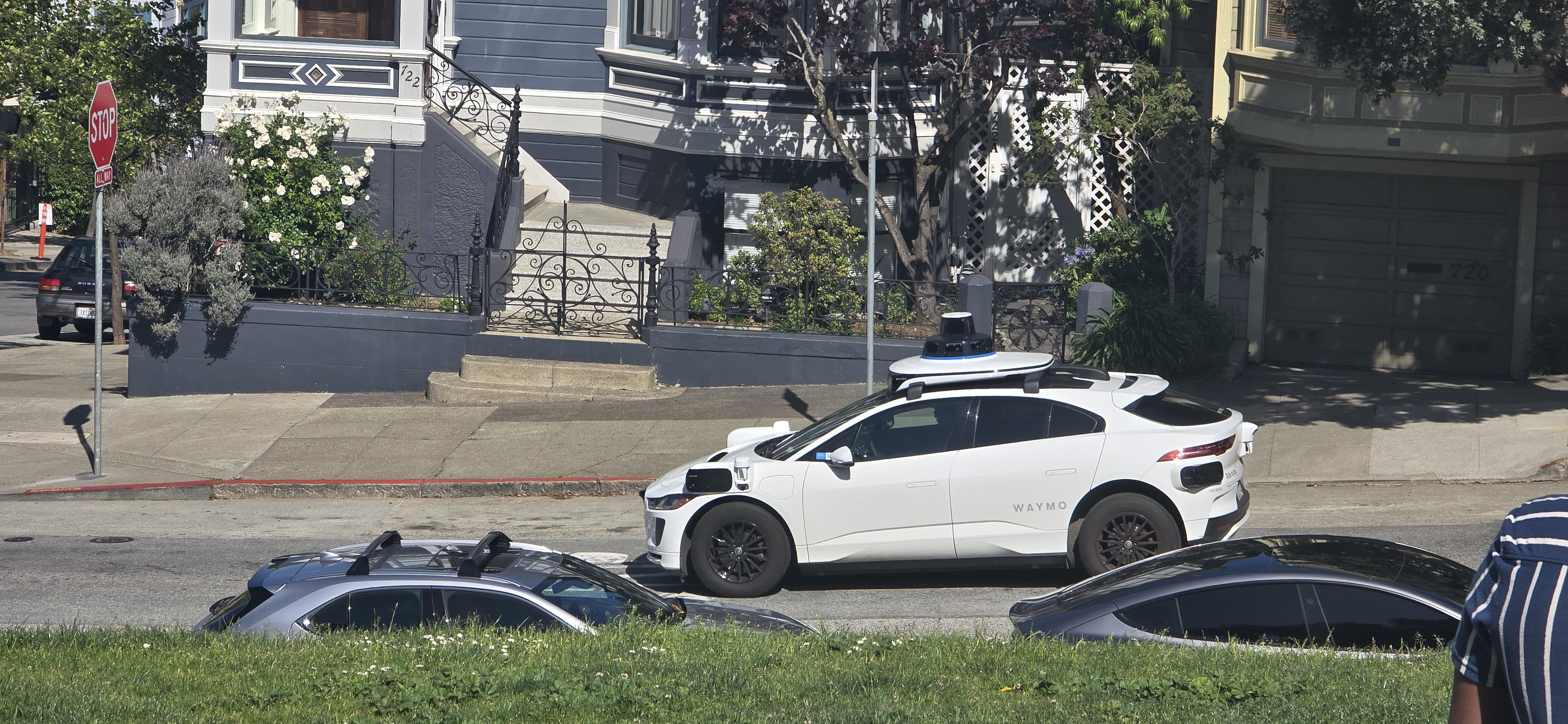
Initially people were quite scared or skeptical of driverless cars or cabs, but now in 2026 it has become rather common, and people have accepted them as a part of daily life. I don’t think there are any driver unions to protest, like in Mumbai!
The Waymo is at level 4 autonomy. This means it is programmed to drive itself without any human intervention. It is also very polite, stopping at intersections where people are waiting to cross, much more polite than many drivers, especially from India!
There are quite a few varieties of the Waymo that I saw.
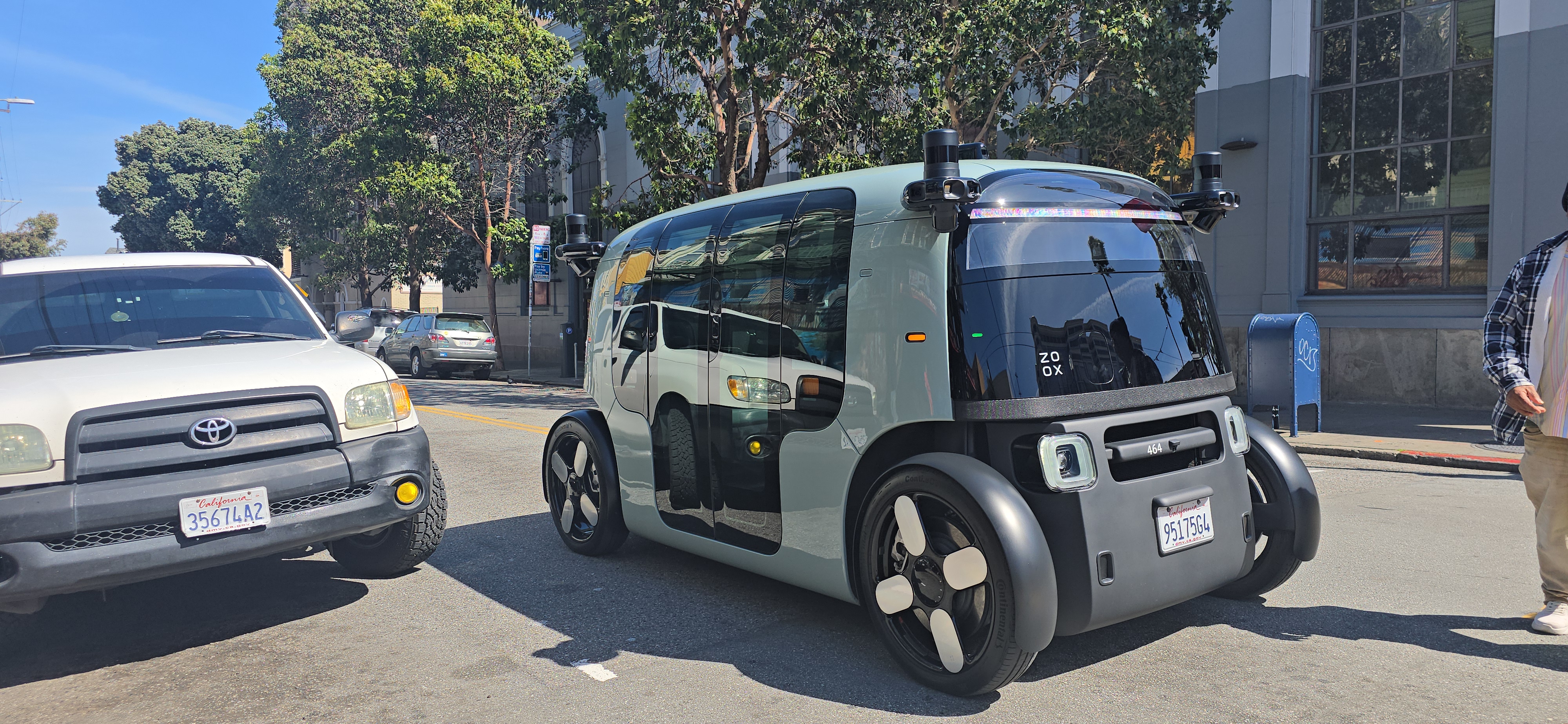
These Waymo’s apparently keep driving, are not programmed to park anywhere. I guess the parking charges are an added cost, and it may be cheaper for the cars to just keep moving.
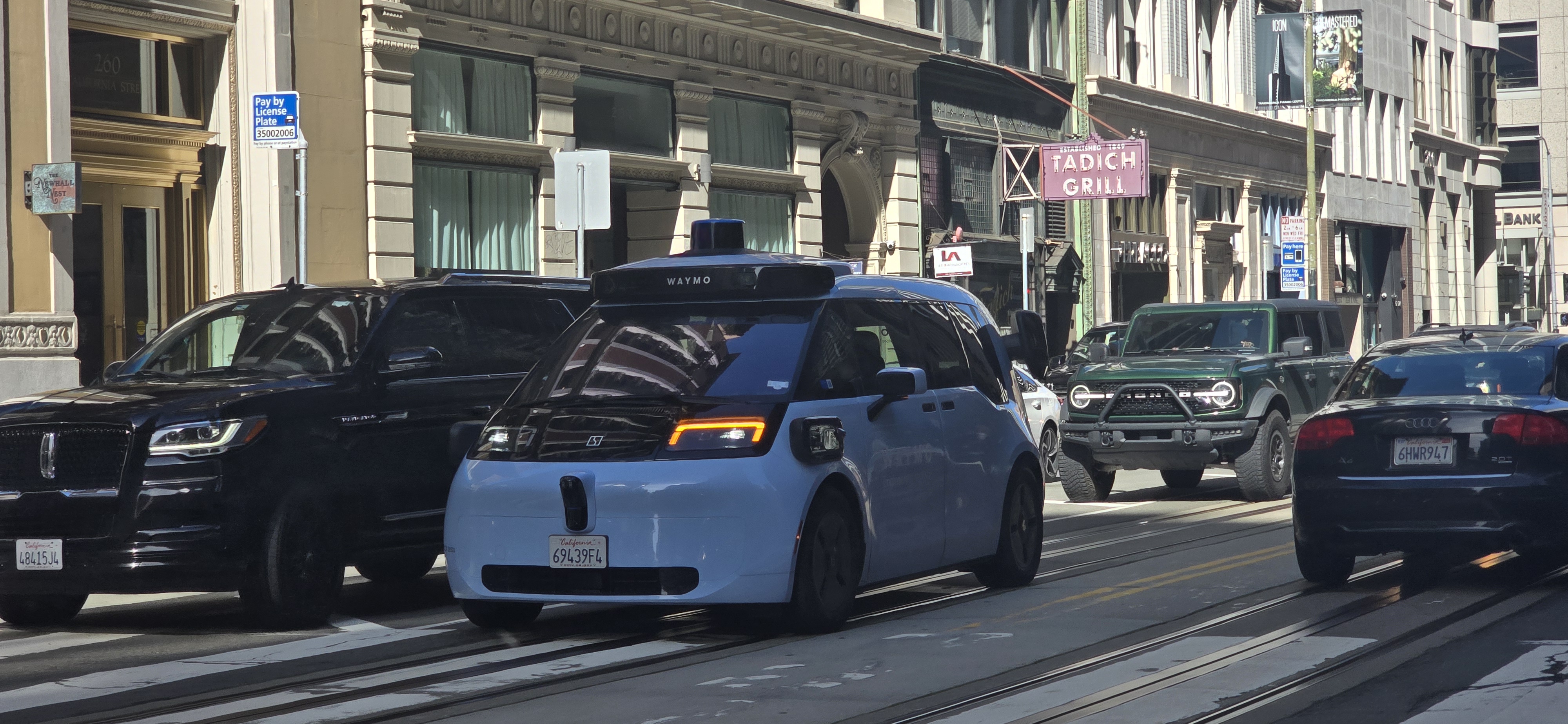
As I was observing these vehicles, I realised that I was having a preview of how human mobility could look like in a few years to come.
Of course, there are a certain number of pre-requisites before such vehicles can drive in India, I am guessing, given the way in which human, animals, and all sorts of vehicles move on the roads here.
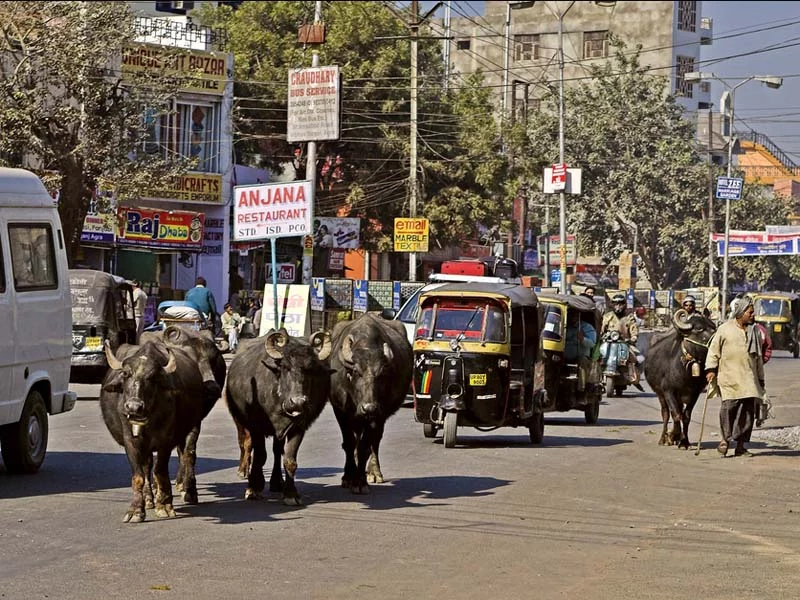
In 2025, the average Mumbai driver lost approximately 126 hours per year specifically to traffic delays. This averages out to about 20–30 minutes of “extra” idling time added to the base driving time each day. If the number of people who own cars were to reduce, the traffic would considerably reduce.
Hence the impact “Mobility as a Service” (MaaS) could have on car vehicle sales and ownership is huge. If point A to B transport is what is needed, why buy a car, which will be hardly used for a few minutes or hours each day?
Self driving trucks have a huge potential as well, as they can drive indefinitely, without having the limitations of a human driver.
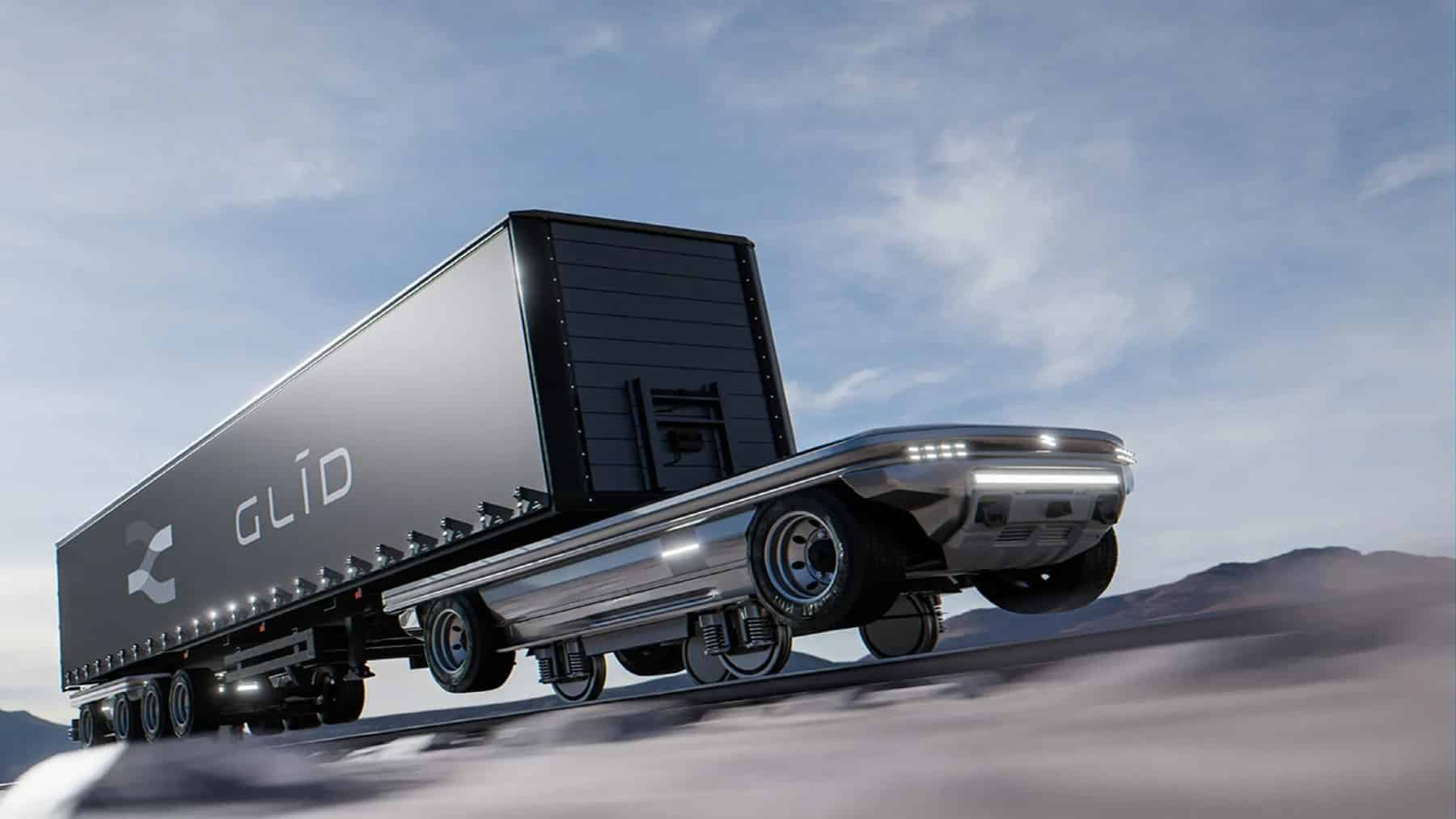
The world as we know it is rapidly changing. When the car does the driving, the “driver” finally gets to look out the window. San Francisco in 2026 was a glimpse of a world where the journey matters as much as the destination.






Leave a comment